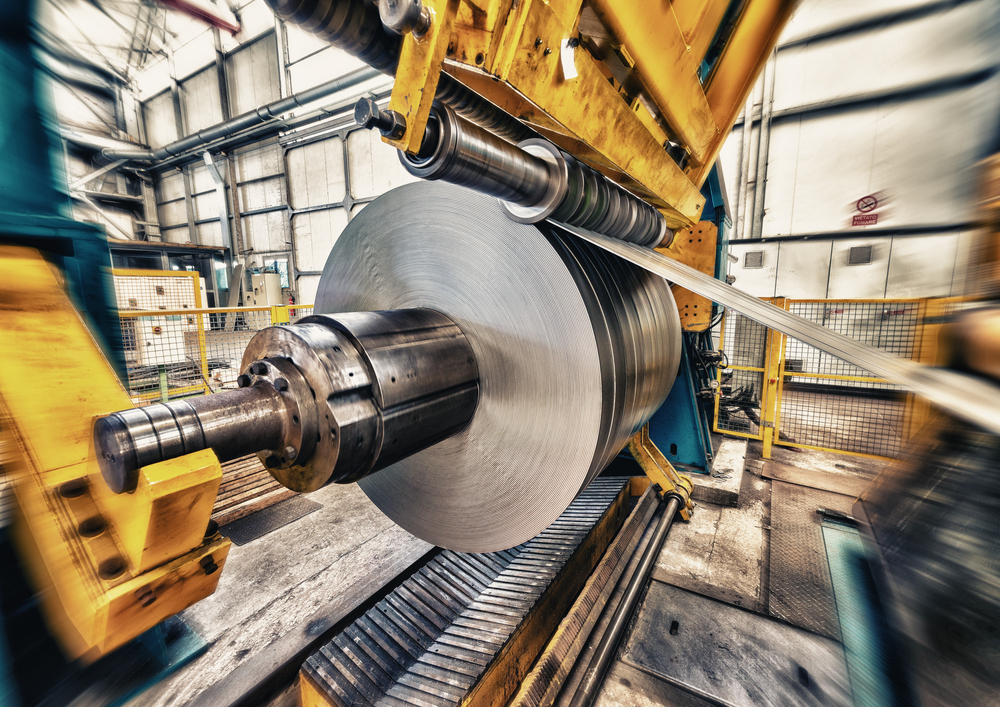
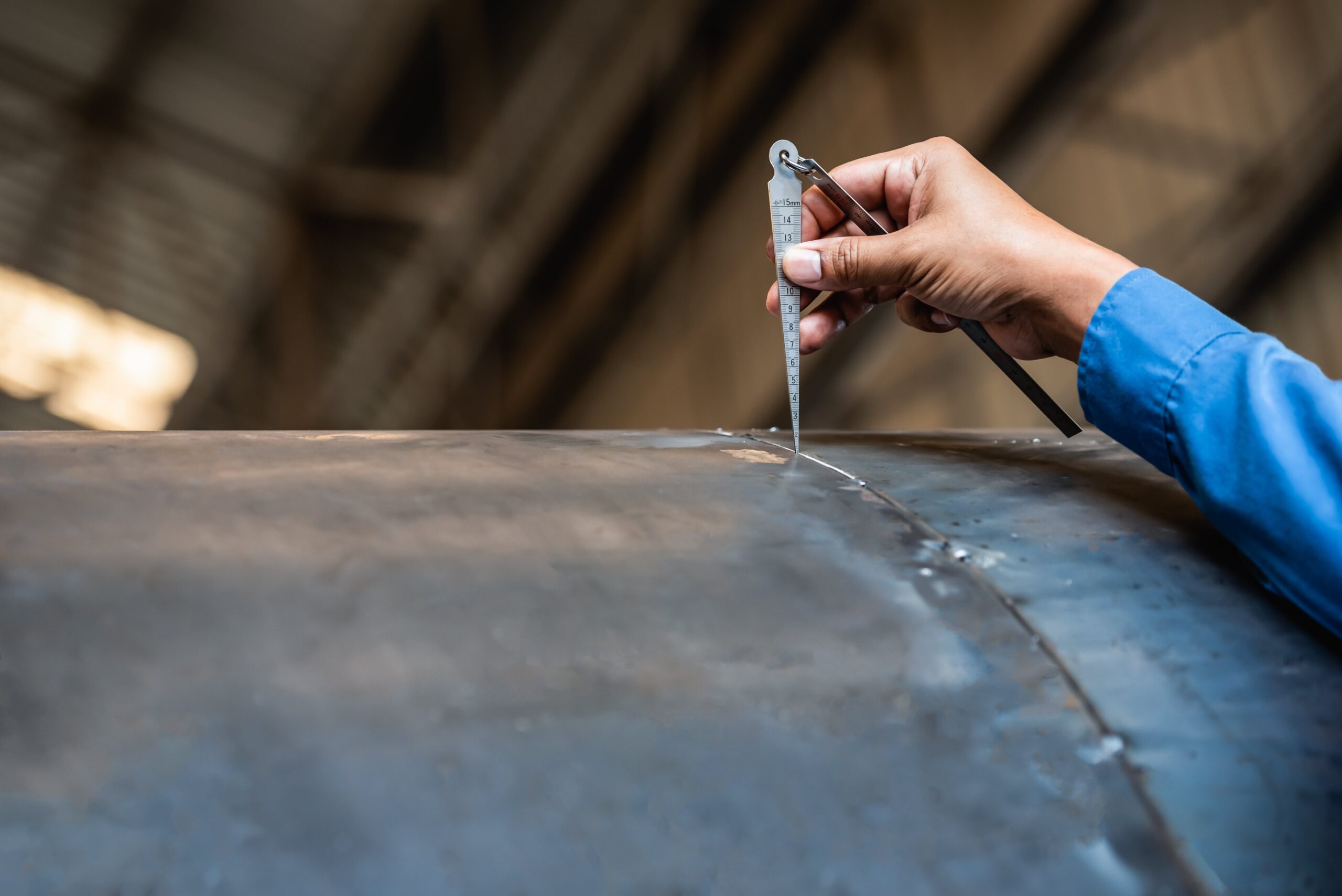
Metal recycling is one of the most common and efficient recycling processes and is used to generate new resources across a number of industries. Unlike many other materials, metal is not only widely recyclable but can be repeatedly recycled without damage to its structural makeup.
In this blog, we’ll dive into the metal recycling process, how it works and why it plays a crucial role in modern manufacturing and fabrication sectors.
Are you looking for sustainable sheet metal fabrication? Here at Salamander Fabrication, we help a wide range of sectors create products that minimise metal waste and limit carbon emissions.
What is metal recycling?
Metal recycling is the process of reforming old and existing metals into new products. Metals like steel, brass, aluminium and copper are recovered and sent to recycling plants where they are processed and reformed into reusable materials.
Metals are easy to recycle due to their durable structure and chemical composition. This means that metal is a fully renewable material and can be melted down and reformed into new forms without affecting the quality.
Why is metal recycling so important?
There are so many existing metal products, from household items to construction resources, that can be easily recycled. Producing raw metals uses immense amounts of energy and waste, and contributes to global warming and carbon emissions. Opting to recycle existing metals is not only an environmentally friendly alternative but also reduces costs for production companies.
Extracting and refining metals from ore uses a huge amount of energy, whilst recycling metals like aluminium uses only a fraction of the energy and produces significantly less water and air pollution.
The Net Zero pledge to be carbon neutral by 2050 means that it’s the responsibility of companies across the world and the UK to do all they can to reduce carbon emissions, and recycling is a big part of this process.
What types of metals are recycled?
There are several different metals that can be recycled, and these fall into two main groups:
Ferrous metals
Ferrous metals are metals that contain iron and are generally regarded as the strongest, most durable metals. These metals are widely used in construction and infrastructure due to their properties and include things like cast iron and steel.
Non-ferrous metals
Non-ferrous metals are metals that don’t contain any iron, like copper, aluminium and brass. These metals have their own beneficial properties, including corrosion resistance and being powerful conductors. This makes these metals ideal for components in electrical products.
Both of these types of metal can be recycled and reformed into new resources.
How are metals recycled? The process
Step 1: Collecting metals
Scrap metals can be collected from a range of different sources. This can be from sources like household recycling collections that include metal cans and tins, discarded electronics like home appliances or vehicles or surplus materials from manufacturing plants.
Sheet metal fabrication processes often produce scraps of off-cuts of metal, and this industry contributes significantly to the metal recycling process, offering the opportunity to turn unusable pieces into fresh products.
Step 2: Sorting and separating metals
Once the metals are sent to a recycling center they are sorted into ferrous and non-ferrous metals. This is done by computerised systems using magnets and optical sensors. Sorting the metals is crucial to ensure high-quality and pure metal recycled products.
Step 3: Shredding and cutting
Once the metals are sorted, they are then cut down or shredded into smaller pieces. This allows for easier cleaning and melting and can help remove any other materials like remaining plastic or rubber.
For bulkier items like machine parts or structural components, an industrial shredder is used.
Step 4: Treating and cleaning
Before being melted down, all contaminants need to be removed from the metals. This includes things like traces of food, oil, paint or plastic.
The cleaning process can differ depending on the metal and the treatment needed. To remove organic materials like oil or food, thermal or pressurised water treatment can be enough. To get rid of printed logos or paint coatings, machines or chemicals may be used to fully remove contaminants.
The quality of a recycled material relies heavily on ensuring pure, uncontaminated metals, so this cleaning stage is crucial.
Step 5: Melting and refining the metal
Once the metal is cleaned, it can then be melted down using an industrial furnace. Different metals have different melting points, so each furnace will be carefully controlled based on the specific metal being melted.
During the melting process, some raw metals may also be added to reinforce any recycled metal weakened by the refining process. The metal is poured into casts to form ingots or sheets.
How are recycled metals used?
Recycled metals are used across a wide range of industries and contribute to new parts for vehicles, building structures, appliances and food containers.
Once the recycled metals have been refined, they can also be used in the sheet metal fabrication process to create new products. For sheet metal fabrication, recycled sheets are a crucial component.
Recycled sheets offer manufacturers the opportunity to create brand new products at a fraction of the cost. These sheets are transformed using advanced processes like CAD design and welding, and expert engineers carefully plan assembly to minimise metal waste.
What makes recycling metal sustainable?
The reason that metal recycling is such a brilliant process is that it becomes a continuous, sustainable cycle. Metals can be repeatedly recycled without a reduction in the quality or integrity of the material. This has a range of benefits, including cost-effective materials for manufacturers, less waste from fabrication and reduced emissions and pollution.
The continuous cycle of metal recycling is crucial for modern manufacturing, and with the constraints on raw metal refining and environmental sanctions in play, this process is needed now more than ever.
Smart, sustainable fabrication for all businesses
The process of metal recycling may be lengthy, but it is a highly efficient process that has transformed the way we use resources. Each stage, from sorting to setting, is carefully designed to ensure metals are pure and can be reused in new products again and again.
If you’re looking to make the switch to more sustainable processes, we offer a wide range of services here at Salamander Fabrications. We specialise in sheet metal fabrication and cater to all industries from construction to retail. If you’re looking to invest in cost-effective, eco-friendly metal fabrication, get in touch with our team to discover how we can help transform your business.
Welding joints are a crucial part of developing safe, secure structures. Welding joints are essential in creating a functional and durable product, and choosing the right type of welding joint for the job can make all the difference. The right welding joint not only improves the longevity of a structure but also improves the stress on a structure and load distribution.
In this blog, we’ll talk you through the main types of welding joints, the advantages and disadvantages of each and when to use them.
If you’re in need of professional welding services, our experts at Salamander Fabrication can craft high-quality, long-lasting projects.
What Are Welding Joints?
A welding joint is the spot at which two pieces of metal are joined together when welded. There are a number of different types of welding joints, and the appropriate choice depends on a number of factors, including the thickness of the metal, accessibility, weight, etc. Choosing the right welding joint is crucial to ensure the stability and durability of your project and can help reduce the need for repairs in the long run.
1. Butt Joint
A butt joint is one of the most common types of welding joints that is created by aligning two pieces of metal end to end and then welding along the joint. This welding style creates one continuous surface and allows for metals to be joined with and without any edge preparation.
Butt joint welds are most commonly used in steel fabrication, in the fabrication of structures, such as bridges and parking garages, as well as piping systems. They are also used in the transportation industry for the manufacturing of car frames and exhaust systems.
Advantages
When the correct welding technique is used, a butt joint is a strong weld that proves highly durable for use across a range of materials. It also produces a smooth, cleaner joint, which means less prep and clean-up are required.
Disadvantages
Whilst this is a reliable welding joint, it needs skilled application in order to be effective. The materials must be accurately aligned to create one even and equal surface. Poor penetration when welding can also make the joint insecure and cause it to weaken easily.
2. Lap Joint
A lap joint gets its name from the process of welding overlapping edges of two pieces of metal. This process is commonly used when joining thin materials or materials of different thicknesses to ensure stability.
This form of joint requires little edge preparation, making it a speedy and cost-effective option. This makes this welding joint type a popular choice for sheet metal fabrication and manufacturing production lines.
Advantages
Overlapping sheets for metal is easy to assemble and doesn’t require as much precision as other techniques. The minimal joint prep also allows for faster work with results that create sturdy welds even on thin materials.
Disadvantages
The main disadvantage for manufacturers is that overlapping metals for this technique uses more materials, but this is often offset by the speed and simplicity of the welding process, which allows for more daily production.
In some cases, corrosion can occur if moisture becomes trapped in the overlapping area, so extra attention is needed during the assembly process.
3. T-Joint
A T-joint is exactly what it sounds like: the process of metal being welded together to form a T shape. One piece of metal is placed in the centre of a piece of flat metal and then welded on either side to create a solid structure.
This joint is commonly used when creating structural supports like beams or steel frames.
Advantages
The T-joint is ideal for structures that can support heavy loads, making this type of welding joint popular in the construction industry. It can also be used on metals of large sizes, like beams and still create a sturdy joint.
Disadvantages
The main issues that arise from this type of joint arise from the welding process. Skilled construction welders should carry out any welding on structural metals to avoid defects that can damage the integrity of a building or structure. The stress from any weight is also concentrated at the weld, so precision welding is essential.
4. Corner Joint
A corner joint is when two pieces of metal are joined at each corner to create a singular L-shaped structure. Commonly used for box or frame structures, corner joints are used to create two separate right-angle shapes and then welded together to create one single rectangular structure.
Corner joints can be welded on the inner or outer side of the structure or on both sides if the needs to be extra sturdy. Metal cabinets and industrial containers or agricultural enclosures commonly use corner joints.
Advantages
The biggest advantage of corner joint welding is the flexibility to weld both inner and outer corners. This can simplify the manufacturing process and also ensure a clean finish with hidden welding should inner corner joints be chosen.
Disadvantages
There is often extra preparation involved in corner joint welding, and there can often be edge prep needed for thicker materials. It may also take more time and precision to weld inner corners due to the difficult angle.
5. Edge Joint
The final welding joint on our list is an edge joint, which is formed when metals are placed beside each other and then welded together along the same edge. This technique is usually only used for thinner materials or items that are for lighter duty. For this reason, edge joints are commonly used for decorative parts or seams of larger structures.
Advantages
Edge joints are fast and easy to create, and there’s little to no prep needed to join two materials together. This means that the production rate can be greatly increased compared to other processes that require more expert application, like T joints.
Disadvantages
The downside to edge joints is that they can only be used for light loads and can’t be used for any structures due to the low strength of the weld. Whilst fine for decorative items or additional welding across products, edge joint welding should never be used as the base for any structure.
How do you choose the right welding joint for your project?
To choose the right welding joint for your project, ensure you consider the following factors:
Materials: Assess the materials you will use in your weld. This will indicate what strength of weld joint you need. For example, if you’re using thicker materials, you might need to use a butt joint as they have good mechanical strength.
Welding process: You should also consider the welding process when you choose a weld joint. This is because some joints are more suitable for welding in certain positions than others.
Accessibility: Evaluate what the process of your weld will entail before choosing your weld joint. For example, if you have poor weld area accessibility, it’s best to pick a weld joint that is easier to access, such as the butt joint.
Explore our full-service sheet metal fabrication
Here at Salamander, we’ve been part of a variety of different sheet metal fabrication projects. So when it comes to choosing the right materials, from the most suitable type of metal right down to the correct welding joint, we know exactly what will work best for your specific project.
Using our variety of sheet metal fabrication services, including welding and CAD design, as well as laser cutting, we’ll get to work on providing you with a high-quality, cost-effective result that exceeds your expectations. For more information about our services here at Salamander Fabrications, speak to a member of our expert team today.
Metal hardness measures how well a metal can resist scratching, indentation, and wear. Understanding how metal hardness is measured is essential for choosing metals that can withstand real-world stresses and long-term use.
In this guide, you’ll learn how metal hardness is tested, what the major hardness scales mean, and how this property influences everything from manufacturing processes to product lifespan, so you can choose the right metal for your sector’s needs.
Why Does Metal Hardness Matter?
Choosing the right metal hardness is vital for ensuring your project’s success. Harder metals generally last longer, resist abrasion, and maintain their shape under stress. For example, construction beams need to be hard enough to withstand heavy loads, while softer metals are used for parts that require shaping or bending. Understanding hardness helps you balance durability, workability, and cost for your specific needs.
Expert Tip: Don’t rely on metal hardness alone. Hardness is important, but it doesn’t tell the whole story. Always check toughness and ductility alongside hardness, especially for components exposed to shock loading or vibration. A metal that’s too hard may crack under impact.
How Is Metal Hardness Measured?
There’s no single way to measure metal hardness, as different industries and applications require different approaches. Generally, hardness tests involve applying a specific force to a metal and measuring how it responds, either by scratching, denting, or indenting the surface. The result is then assigned a value on a standardised scale, making it easier to compare different metals and alloys.
The Mohs scale is one of the oldest and simplest ways to measure hardness. It ranks materials from 1 (soft, like talc) to 10 (hard, like diamond) based on their ability to scratch one another. While originally designed for minerals, it’s often used as a quick reference for metals. For example, copper has a Mohs hardness of about 3, while hardened steel can reach up to 8. Although it’s not the primary scale used in metallurgy, referencing Mohs values offers a quick way to visualise which metals stand up better to abrasion.
Rockwell Hardness
The Rockwell test is widely used in industry because it’s quick and reliable. It measures the depth of an indentation made by a specific indenter under a given load. The result is a Rockwell hardness number (e.g., HRC for hard steels, HRB for softer metals). This method is ideal for comparing steel grades and checking the effects of heat treatment.
Brinell Hardness
The Brinell test uses a hardened steel or tungsten ball to press into the metal’s surface and measures the size of the resulting dent. It’s particularly useful for testing materials with rough or uneven surfaces, such as castings and forgings. Brinell hardness numbers are commonly used for metals like iron and aluminium alloys.
Vickers Hardness
The Vickers test employs a diamond-shaped indenter and is known for its precision. It’s ideal for testing very hard or thin materials, as well as micro-components. Vickers values allow comparison across a wide range of materials, making this method versatile for both industrial and research applications.
Comparison of Mohs, Rockwell, Brinell, and Vickers hardness values for common metals, from hardest to softest.
Expert Tip: Different hardness tests excel with different sample sizes. Use Rockwell for most bulk metals. Choose Vickers or Knoop for thin sheets, coatings, or small components. Using the wrong test can produce misleading results, especially on thin or heat-affected materials.
The hardness of a metal isn’t set in stone; it can be changed and controlled through several processes.
Alloying: Mixing a base metal with elements like carbon, chromium, or nickel can significantly increase hardness. For example, adding carbon to iron creates steel, which is much harder than pure iron.
Heat Treatment: Processes such as quenching, tempering, and annealing alter the internal structure of metals, making them harder or softer depending on the method used. Hardened steel, for instance, is produced by heating and then rapidly cooling the metal.
Work Hardening (Cold Working): Repeatedly deforming a metal at room temperature strengthens it by rearranging its crystal structure. This is common in metals like copper and aluminium, which become harder as they are bent or hammered.
Surface Treatments: Techniques like case hardening, carburising, or anodising can create a hard outer layer while keeping the inner metal softer and tougher.
Understanding these factors allows engineers and manufacturers to tailor metal hardness for specific uses, ensuring the right balance between strength and flexibility.
Choosing the Right Metal for Your Needs
Selecting a metal with the right hardness is about more than just picking the hardest option available.
Application Requirements: Consider what the metal will be used for. Hardness is crucial for cutting tools and wear-resistant surfaces, while softer metals are better for forming or bending.
Balance with Other Properties: Harder metals can be more brittle, so you may need to balance hardness with ductility or toughness. For instance, a tool might need to be hard for cutting but not so brittle that it breaks easily.
Cost and Availability: Some high-hardness metals or treatments can be expensive. Match your choice to your project’s budget and timeline.
Environmental Factors: Think about exposure to corrosion, temperature changes, or repeated impacts, all of which can affect how a metal performs.
Reviewing metal hardness charts and consulting with material experts can help you make the best choice, ensuring your project is both efficient and durable.
Conclusion: The Value of Understanding Metal Hardness
Knowing how to measure and interpret metal hardness empowers you to select the best materials for any project. Whether you’re building, manufacturing, or repairing, understanding hardness means better performance, longer lifespans, and fewer failures. Use the right tests, consider all influencing factors, and you’ll get the most out of your metals.
Why Choose Salamander Fabrications for Anodised Aluminium?
With decades of expertise in metal fabrication and treatment, Salamander Fabrications delivers components engineered for optimal hardness and durability. Whether your project requires metals with enhanced wear resistance or a specific hardness rating for structural or decorative use, our team ensures the right solution for your needs.
We combine skilled craftsmanship with advanced technology, offering custom fabrication and metal treatment services that help your products perform reliably and stand the test of time.
Frequently Asked Questions
Why is hardness important when choosing a metal?
Hardness determines how well a metal will withstand daily use, abrasion, and impact. Selecting the right hardness ensures your product performs as intended and lasts longer.
Can metal hardness be increased?
Yes. Techniques like heat treatment, alloying, and work hardening can increase a metal’s hardness to meet specific requirements.
Metals like tungsten, hardened steel, and titanium are among the hardest used in industry. However, the right choice depends on your project’s balance of hardness, toughness, and workability.
How long do hardened metal components last?
With proper selection and treatment, hardened metal components can last for many years, even in demanding environments, thanks to their enhanced resistance to wear and deformation.
Is hardening metal an environmentally friendly process?
Modern hardening and treatment methods can be energy-efficient and produce minimal waste, especially when performed by experienced fabricators using sustainable practices.
Anodising is a process that strengthens aluminium and protects it from corrosion. It also improves durability and lets you add decorative finishes.
Unlike coatings or paints, anodising doesn’t add material on top. Instead, it changes the surface structure, making the aluminium harder and more resilient. When combined with the advantages of aluminium, such as lightweight strength, recyclability, and corrosion resistance, anodising creates an exceptionally durable and sustainable material for fabrication.This makes anodised aluminium one of the most versatile materials used in modern fabrication.
Understanding the Aluminium Anodising Process
The aluminium anodising process involves carefully controlled stages that convert the metal’s surface into an oxide layer. Here’s how it works:
Cleaning and Preparation – The aluminium is cleaned to remove impurities or grease.
Anodising (Electrochemical Treatment) – The aluminium is placed in an acid electrolyte bath and an electric current is passed through it. This causes oxygen ions to bond with aluminium atoms, forming an oxide layer.
Colouring (Optional) – The porous surface can be dyed to achieve a wide range of colours and finishes.
Sealing – The surface is sealed to close the pores and lock in colour, increasing corrosion resistance and durability.
This aluminium anodising process ensures a long-lasting, uniform finish ideal for both functional and decorative applications.
Key Anodising Benefits
There are many anodising benefits that make it a preferred choice for engineers, designers, and fabricators alike:
Superior Corrosion Resistance
Anodised aluminium is highly resistant to corrosion. The oxide layer shields it from moisture and salt, making it ideal for outdoor and marine applications.
Enhanced Durability
Anodised surfaces are much harder than untreated aluminium. This added wear resistance makes it perfect for parts exposed to friction, handling, or harsh operating environments. Among all available metal finishes, anodising offers a good balance of aesthetics, protection, and durability, all in a single process.
Improved Aesthetic Appeal
Anodising allows aluminium to retain its metallic appearance while adding colour and sheen. From subtle matte finishes to bold hues, anodised aluminium provides both function and style.
Low Maintenance
Because the oxide layer is integral to the metal (not a coating), it won’t peel or flake. Cleaning is simple, usually requiring just mild soap and water, making anodised aluminium a cost-effective long-term choice.
Environmentally Friendly Process
The aluminium anodising process uses non-toxic materials, produces minimal waste, and enhances recyclability, aligning perfectly with sustainable manufacturing goals.
Applications of Anodised Aluminium
The uses of aluminium are incredibly diverse, ranging from everyday consumer goods to complex industrial structures. Anodised aluminium is especially valued across these applications for its enhanced performance, durability, and appearance. Common applications include:
Architectural structures – windows, curtain walls, and façade panels
Automotive and transport – trims, body parts, and protective components
Consumer products – electronics, kitchenware, and lighting
Industrial fabrication – machinery, frameworks, and enclosures
At Salamander Fabrications, we utilise anodising to ensure every aluminium component meets exacting standards of performance and design.
Why Choose Salamander Fabrications for Anodised Aluminium?
With decades of expertise in metal fabrication and finishing, Salamander Fabrications delivers precision-engineered aluminium products that stand the test of time. Whether you require anodised aluminium for structural use or decorative purposes, our team ensures the right finish for your project’s needs.
We combine craftsmanship with innovation, offering custom fabrication and finishing services that help your products perform better and look exceptional.
Frequently Asked Questions
What is anodised aluminium used for?
It’s used in applications that require corrosion resistance, visual appeal, and durability from architectural features to industrial components.
Is anodised aluminium rust-proof?
Yes. The anodising process prevents oxidation and corrosion, ensuring aluminium remains rust-free even in challenging environments.
Can anodised aluminium be coloured?
Absolutely. During anodising, the porous surface can absorb dyes, allowing for a wide range of colour finishes before sealing.
How long does anodised aluminium last?
Anodised aluminium can last for decades if looked after. Its oxide layer is part of the metal itself, so it keeps the surface protected from wear and corrosion.
Is anodising environmentally friendly?
Yes. The aluminium anodising process is safe, non-toxic, and produces minimal waste, making it a sustainable finishing option.
Heat treatment of metals helps to achieve the correct strength, durability and performance. Not only does it improve the mechanical properties of metal but it helps to prevent welding defects and structural issues.
At Salamander Fabrications, we understand the science and precision behind metal treatment processes, ensuring every component performs at its best, even under extreme conditions.
What Is Heat Treatment of Metals?
Heat treatment of metals involves heating and cooling metal materials under controlled conditions to alter their physical and mechanical properties without changing their shape. The goal is to enhance characteristics like hardness, ductility, and tensile strength depending on the intended use.
These treatments help metals stand up to stress, wear, and temperature changes, which are essential in industries from construction to automotive engineering.
Key Heat Treatment Processes
There are several types of heat treatment methods, each designed for specific results. The most common include annealing, quenching, and tempering.
Annealing
Annealing is a heat treatment process that softens metal, making it more ductile and easier to work with. During annealing, the metal is heated to a specific temperature and then slowly cooled. This reduces hardness, relieves internal stresses, and improves machinability.
Typical applications include sheet metal fabrication, wire production, and components requiring precise bending or forming.
Quenching
Quenching involves heating the metal to a high temperature and then rapidly cooling it, often in water, oil, or air. This process increases hardness and strength by locking the metal’s microstructure into a tough, stable form.
Quenching is widely used in tools, gears, and high-stress mechanical parts where superior strength and wear resistance are essential. However, the rapid cooling can also make the metal brittle, which is why quenching is often followed by tempering.
Tempering
Tempering is a follow-up process to quenching. After a metal has been hardened, it is reheated to a lower temperature and then cooled again. This reduces brittleness while maintaining strength, striking the ideal balance between toughness and hardness.
Tempering is especially important for components exposed to repeated stress or impact, such as springs, blades, and structural supports where the strongest metal is necessary.
Applications of Heat Treatment in Fabrication
At Salamander Fabrications, heat treatment processes are integral to delivering high-quality metal components for a wide range of industries. Common applications include:
Structural steelwork – improving durability and stability in large-scale frameworks.
Precision components – ensuring exact tolerances and enhanced performance.
Custom fabrication – tailoring metal properties to suit unique client specifications.
By combining advanced fabrication techniques with expert heat treatment processes, we help clients achieve consistent results that meet the toughest engineering standards.
Why Choose Salamander Fabrications?
With decades of experience in metal fabrication and finishing, Salamander Fabrications is trusted by leading businesses across the UK for reliable, high-quality metalwork solutions. Our commitment to precision, performance, and customer satisfaction ensures every project is completed to the highest standard.
Whether you need annealing, quenching, or tempering as part of your fabrication process, our team can advise on the right approach for your materials and applications.
Get in Touch
If you’re looking for expert support in heat treatment of metals or bespoke fabrication services, contact Salamander Fabrications today. Talk to our team today, and we’ll help you choose the right process and finish for your project.
FAQs
What is the purpose of heat treatment of metals?
The main purpose of heat treatment is to improve a metal’s mechanical and physical properties. Depending on the process used, it can increase strength, hardness, and wear resistance, or make the material softer and easier to machine.
Why is heat treatment important in fabrication?
In metal fabrication, heat treatment ensures that components have the right balance of hardness, strength, and ductility for their intended use. It also helps minimise welding defects by relieving internal stresses that can lead to cracking or distortion during welding.
What metals can be heat treated?
Many metals can undergo heat treatment, including carbon steel, stainless steel, aluminium alloys, copper alloys, and titanium. The exact process and temperature range depend on the metal’s composition and desired outcome.
What’s the difference between annealing and tempering?
Annealing softens metal and improves its ductility by allowing its structure to reform slowly. Tempering, on the other hand, is used after hardening (quenching) to reduce brittleness while maintaining strength.
Galvanised steel is one of the most widely used materials in modern manufacturing due to its durability, cost effectiveness and the zinc coating that prevents rust.
What is Galvanised Steel?
Galvanised steel is steel that has been coated in a thin layer of zinc to protect it from rust and corrosion. The zinc coating acts as a barrier to the environment so increases the metal’s durability and strength compared to metals that rust. This, alongside the versatility, makes it popular for a variety of projects and industries.
How is it different from other types of steel?
Galvanised steel is specifically designed to combat rust. When thinking about mild steel vs stainless steel, there are a few key differences. Mild steel is prone to corrosion when exposed to moisture unless it is painted or treated. Stainless steel naturally resists corrosion as it contains chromium, however this does make it more expensive. Ideal for outdoor use and a cost-effective alternative, galvanised steel is a great option for outdoor use.
Key Benefits of Galvanised Steel
Galvanised steel benefits include exceptional durability, corrosion resistance, and long-term cost savings. They are widely recognised across many industries.
Corrosion Resistance
The addition of a protective zinc coating makes galvanised steel highly resistant to corrosion, even in harsh and challenging environments. The zinc layer acts as a physical barrier and also offers sacrificial protection, meaning it corrodes in place of the steel underneath. This protection extends into hard-to-reach areas such as sharp corners, edges, and recessed surfaces that other coatings may not adequately cover, ensuring uniform corrosion resistance throughout the entire component.
Durability
Galvanised steel is known for its long-lasting performance. In average conditions, a zinc-coated steel product can last more than 50 years without significant breakdown. Even in more aggressive environments with high moisture or water exposure, such as coastal or industrial areas, it can provide effective protection for over 20 years without requiring maintenance. This longevity makes it a reliable choice for infrastructure, construction, and outdoor applications.
Cost-effective
Although the initial cost of galvanising may be higher than some other protective methods, its long service life and lack of maintenance needs result in significant savings over time. By reducing the need for repairs, replacements, or touch-ups, galvanised steel proves to be a cost-effective solution for both short-term projects and long-term investments.
Ready to Use
Galvanised steel arrives from the supplier fully coated and protected, requiring no further surface treatment, painting, or preparation before installation. This reduces lead times and labour costs on-site, making it ideal for projects with tight schedules or limited resources. Its ready-to-use nature simplifies logistics and speeds up construction timelines.
Environmentally Friendly
Galvanised steel is a sustainable material choice. The galvanising process does not produce significant waste. At the end of its life, galvanised steel can be recovered and reused without loss of quality, contributing to circular economy practices and reducing the environmental footprint of construction and manufacturing projects.
How is Galvanised Steel Made?
There are a few methods of galvanisation:
1. Hot Dip Galvanising
The steel is dipped into zinc that is around 460 degrees which forms a metallurgical bond that results in a firm layer of pure zinc. Once the metal is pulled out of the molten zinc, the pure zinc mixes with the oxygen in the atmosphere to form zinc oxide. The zinc oxide then reacts with the carbon dioxide and forms zinc carbonate which completes the final protective coating. This is a cost-effective method that can be quickly done and on complex shapes too.
2. Pre-galvanising
This method is performed at the very first stage of production. It involves rolling sheet metal through a cleaning agent to prime the material for galvanising. The metal is then passed through molten zinc and immediately recoiled. The benefit of this method is that coils of steel can be quickly galvanised on a larger scale with a more unified coating as opposed to the hot-dip method.
3. Electrogalvanising
This method doesn’t involve any molten zinc. Instead, an electric current is used to reduce positively charged zinc ions to zinc metal which is then deposited on the positively charged steel. The main benefit of this technique is that it creates an even coating on the steel. However, the coating is thinner than when the hot dip method is used and has a shorter lifespan.
Common Uses of Galvanised Steel
Galvanised steel uses are found in a wide range of industries. Wherever there is a risk of corrosion, galvanised steel should be used.
Construction – Galvanised steel is widely used in the construction industry and commonly found in beams, columns, and frameworks, where long-term reliability is essential. Its ability to withstand exposure to the elements with minimal maintenance makes it a preferred choice for both residential and commercial buildings, as well as infrastructure projects like bridges and walkways.
Automotive – Galvanised steel is often used in the manufacturing of cars, trucks, and other vehicles for body panels, chassis parts, and undercarriage components to provide resistance against rust and extend vehicle life. The combination of strength and corrosion protection helps improve safety, reduce repair costs, and maintain vehicle appearance over time.
Agriculture – This material is a staple in agricultural applications due to its ability to endure rough conditions, including exposure to moisture, chemicals, and outdoor weather. It is used in the construction of farm equipment, machinery frames, irrigation systems, fencing, livestock enclosures, feeders, and grain silos. Its long-lasting nature reduces the need for constant replacements, making it a practical and economical solution for farmers.
Marine – The marine industry requires materials that can perform reliably in wet, salty, and corrosive environments, and galvanised steel is well-suited for this role. It is used in boat trailers, docks, offshore platforms, ladders, and other structural or support components exposed to seawater or humid coastal air. The zinc coating offers a strong defence against saltwater corrosion, which significantly prolongs the service life of components in marine and coastal applications.
Industrial Fabrication – from appliances and electronics to machinery and equipment, galvanised steel is used in many manufacturing processes. This includes appliances, electrical enclosures and heavy machinery. Its ease of fabrication, combined with corrosion resistance and mechanical strength, makes it a versatile and dependable material in industrial design, assembly, and production processes.
Services at Salamander Fabrications
At Salamander, we’ve been working with all kinds of sheet metal fabrication technologies since 1968. We offer services such as, welding and laser cutting to companies all over the UK, and work with a huge range of sectors to provide them with quality products, quickly, efficiently and with excellent customer service every step of the way.
Metals are at the core of everything Salamander Fabrications does. From structural frameworks to custom enclosures and components, metals provide strength, form, and function. In the world of fabrication, it’s essential to understand different types of metal, that’s where ferrous vs non‑ferrous metals comes in. It’s important to know which type to use, when, and why can mean the difference between longevity under harsh conditions or frequent replacements.
What Are Ferrous Metals?
Ferrous metals primarily contain iron as their main component. This iron content gives these metals unique properties that make them a staple in many fabrication and manufacturing processes but does make them prone to rust. Characteristics include magnetism, strength and durability.
What Are Non-Ferrous Metals?
Non-ferrous metals are metals that do not contain iron. They are lightweight, highly resistant to rust and corrosion, and non-magnetic. These qualities make them ideal for projects exposed to harsh environments or where reducing weight is a priority.
Key Differences Between Ferrous and Non-Ferrous Metals
Iron Content
Ferrous and non-ferrous metals differ in several important ways, starting with their iron content. Ferrous metals contain iron, which gives them strength and durability but also makes them prone to rust and corrosion if not properly protected.
In contrast, non-ferrous metals do not contain iron, making them naturally resistant to corrosion and ideal for use in environments where exposure to moisture or chemicals is a concern.
Weight
Ferrous metals tend to be heavier due to their iron content, which makes them well-suited for applications where strength and load-bearing capacity are priorities.
Non-ferrous metals, such as aluminium and copper, are generally much lighter, offering advantages where reducing weight is critical, such as in aerospace or transportation.
Magnetic
Magnetic properties also set these metals apart. Ferrous metals are typically magnetic metals because of their iron base, whereas non-ferrous metals are non-magnetic, which can be beneficial in electronic and electrical applications where magnetism could interfere with performance.
Cost
Ferrous metals are often more affordable, primarily due to their abundance and established production processes.
Non-ferrous metals tend to be more expensive but offer benefits like enhanced corrosion resistance and lighter weight that can justify the higher price depending on the application.
Environmentally-friendly
Both ferrous and non-ferrous metals have strong recycling potential, but their recycling processes differ. Ferrous metals are widely recycled and easily separated using magnets, while non-ferrous metals require more specialised recycling methods. Nevertheless, both contribute significantly to sustainable manufacturing practices.
Examples of Ferrous and Non-Ferrous Metals
At Salamander Fabrications, choosing the right material is essential for delivering precision-engineered sheet metal products across industries. Here are some ferrous and non-ferrous metal examples:
Which metals are ferrous?
Typical uses for ferrous metals range from construction frameworks and automotive parts to industrial tools and heavy machinery, where durability and strength are critical.
Carbon steel
This has a higher carbon content than other types of steel making it extremely high in strength. It is commonly used in the manufacture of machine tools, gears, drills, blades and springs.
Alloy steel
This incorporates elements like chromium, nickel and titanium to provide greater strength and durability without increasing the weight. Alloy steel is often used in structural components, construction and automotive parts.
Stainless steel
Stainless stell is an alloy steel that contains chromium, which gives it excellent corrosion resistance and a sleek, clean finish. It is widely used in the production of kitchen equipment, medical instruments, architectural features, and components that require both durability and resistance to rust.
Cast iron
This contains iron, carbon and silicon. It is brittle, hard and resistant to wear which makes it ideal for water pipes, automobile engines, heavy machinery and stoves.
Wrought iron
This has such little carbon content that it is almost pure iron. It has great resistance to corrosion and oxidation. It is traditionally used for fencing and decorative ironwork.
Which metals are non-ferrous?
Non-ferrous metals are commonly used in electrical components, plumbing systems, roofing materials, aerospace parts, and many precision fabrication projects where performance and longevity are crucial.
Aluminium
Due to this metal being lightweight, soft and low strength, it can be easily cast, forged and welded but not suitable for high-temperature environments. It is a good choice for aircraft and automotive components as well as food packaging.
Copper
Highly ductile, malleable and thermal conductivity means that copper is primarily used in the electrical industry as wiring. It is also used for roofing, coins and mixed with zinc to make brass.
Zinc
This is a medium to low-strength metal with a low melting point and resistance to corrosion. Zinc is most commonly used in galvanising, the process of applying a zinc coating to steel to prevent rust. It can also be used in batteries and die casting.
Lead
This is a soft, dense, malleable metal which can withstand corrosion from moisture and acid. Due to this, it is widely used in electrical power cables, batteries and radiation shielding.
Nickel
Used in stainless steel production, batteries and electroplating, nickel is corrosion-resistant, tough and heat resistant.
FAQs
Which type of metal is best for outdoor use?
Non-ferrous metals are generally better suited for outdoor use because they are naturally resistant to corrosion and rust. Metals like aluminium, copper, and zinc are commonly used in roofing, cladding, and outdoor fixtures due to their ability to withstand moisture and environmental exposure. Stainless steel, while technically a ferrous metal, is also an excellent choice for outdoor applications thanks to its chromium content, which provides strong corrosion resistance.
Are non-ferrous metals better for electrical applications?
Yes, non-ferrous metals are typically better for electrical applications, especially copper and aluminium. Copper is the industry standard for wiring due to its exceptional conductivity, while aluminium is used where lighter weight is needed, such as in overhead power lines. These metals are also non-magnetic, which helps prevent electromagnetic interference in sensitive electronic equipment.
How can you tell if a metal is ferrous or non-ferrous?
One simple way to tell is by checking if the metal is magnetic. Ferrous metals (which contain iron) are usually magnetic, while non-ferrous metals are not. Another clue is whether the metal rusts. Ferrous metals are more prone to rust unless specially treated, whereas non-ferrous metals are naturally more corrosion-resistant. For a definitive answer, a material test or a spark test can be used in a workshop setting.
Can ferrous and non-ferrous metals be welded together?
Welding ferrous and non-ferrous metals together is possible, but it requires special techniques and filler materials. The differences in melting points, thermal conductivity, and chemical properties can cause issues like cracking, weak joints, or metal incompatibility. In many cases, alternative joining methods like brazing, soldering, or mechanical fastening are preferred over traditional welding.
From the foil in your kitchen drawer to the wings of an aircraft, aluminium is one of the most widely used and versatile materials in the modern world. For this reason, it is also a staple material in the world of sheet metal fabrication. But what is aluminium exactly? What makes this lightweight material so strong, corrosion-resistant and yet so easy to shape? This magical material has a unique combination of properties that make it indispensable across countless industries, and we’re here to tell you how and why!
In this guide, we’ll explore “what is aluminium?”, where it comes from, its key characteristics, and why it’s such an important part of everyday life.
Aluminium: Definition and basic facts
Aluminium is a lightweight metal typically found in the Earth’s crust. In fact, it’s the most abundant metal on our planet, making up about 8% of the crust’s mass. Physically, aluminium is soft, non-magnetic, and highly malleable. This means it can be shaped into thin sheets or made into wires with ease. It has a relatively low density, a melting point of 660°C, and it conducts heat and electricity rather well.
Its combination of lightness, strength and resistance to corrosion has made it a go-to material for applications where performance and durability matter.
How aluminium is produced
You won’t find aluminium in pure form in nature. Most of today’s aluminium is extracted from bauxite ore, which contains aluminium oxide (alumina) mixed with other minerals.
The production process has two main stages:
Refining (Bayer process): The bauxite is crushed, washed and treated with caustic soda at high temperature and pressure to dissolve the alumina. Impurities are filtered out before the alumina is precipitated, washed and dried into a fine white powder.
Smelting (Hall–Héroult process): The alumina is dissipated in molten cryolite and exposed to electrolysis, which separates the pure aluminium metal from oxygen.
Producing aluminium is energy intensive, which is why the industry is increasingly turning to renewable energy sources to reduce its carbon footprint. A key advantage is that aluminium is infinitely recyclable without losing quality. Recycling uses about 95% less energy than producing new aluminium, making it both an economic and environmental win.
Standout properties of aluminium
Now we’ve covered what is aluminium let’s look at some of its major benefits.
Lightweight: With a density of just 2.7 g/cm³, aluminium is about one-third the weight of steel.
Corrosion resistant: When exposed to air, aluminium forms a thin oxide layer that prevents further oxidation, making it naturally resistant to rust.
Strong yet flexible: It has a high strength to weight ratio but can be alloyed with other metals for added hardness and durability.
Highly malleable and ductile: It can be rolled into thin sheets, drawn into wires, or extruded into complex shapes.
Excellent conductor: Aluminium efficiently conducts heat and electricity, making it useful for wiring, electronics and cookware.
Non-toxic and safe: Widely used in food and beverage packaging without health risks.
100% recyclable: Can be reused endlessly without degrading in quality.
There are several ways you can form, shape and manipulate aluminium into the desired product you require. Knowing how to cut aluminium can be as easy as using a hand tool (like a hacksaw or utility knife for small scale projects) or more advanced power tools (such as circular saws or band saws). Here at Salamander Fabrications we make use of laser cutting technology, which offers the type of precision and control that you simply cannot replicate with manual or standard power tools. Other techniques also include plasma cutting and waterjet cutting.
There’s also more to working with aluminium than just cutting! Welding services are at the heart of most aluminium fabrication projects, primarily when it comes to joining parts together. Sheet metal folding is vital for producing parts with bends or angles, while powder coating services ensure the final product is durable and nice on the eye too!
Key applications and uses of aluminium
Aluminium’s versatility means it plays a role in almost every aspect of modern life. Some of its most common applications include:
Transport: Lightweight, helps improve fuel efficiency and reduce emissions in the transportation industry. Aerospace in particular relies heavily on aluminium for its strength-to-weight advantage.
Construction: From window frames and curtain walls to roofing and cladding, aluminium’s weather resistance and low maintenance needs make it ideal for construction projects.
Packaging: Aluminium cans, foil and food trays protect contents from light, moisture and air. This keeps products fresher for longer. Its recyclability also supports sustainable packaging goals.
Consumer goods: You’ll find aluminium in laptops, smartphones, sports equipment, and home appliances.
Energy sector: Aluminium is used in power lines, solar panel frames and other renewable energy infrastructure because it’s lightweight and conductive.
Contact Salamander Fabrications with your aluminium requirements
Aluminium is far more than just a common metal. It’s a cornerstone of modern industry and everyday life. Light, strong and endlessly recyclable, it’s a material that has shaped everything from architecture to transportation, technology, and packaging. As industries continue to innovate and sustainability becomes ever more important, aluminium’s unique properties ensure it will remain a key player in building a lighter, greener future.
We hope we have helped to answer the question – what is aluminium? If you have a project in design that involves aluminium and would like some advice or assistance in creating your product, please do not hesitate to contact us. Give us a call on 01484 843599, or send an email to sales@salamanderfabs.com.If you enjoyed reading this blog, you may like to take a read of our other post – Mechanical Properties of Materials Explained.
Forging is one of the oldest manufacturing processes for shaping metal. As there’s a range of techniques out there to treat metal, you may be confused as to what forging actually is. We’re here to help! In this blog, we go through all the ins and outs of forging, including the forging meaning, its types, the process, and its advantages.
At Salamander Fabrications, we have a range of high-quality sheet metal fabrication services. With years of experience, we offer end-to-end, full service projects so our expert team takes care of every single stage.
If you want to know more about the services we offer, feel free to get in touch with our sales team today at 01484 843599. We’d love to hear from you!
The Definition of Forging
Forging is essentially the use of compressive forces to shape metal- most of the time, the metal is heated (but not always!) and shaped using a hammer or die. The fact it’s still used today despite being one of the oldest metal shaping techniques shows its effectiveness as a process.
Once the metal reaches the ideal temperature, great pressure is used to shape the metal into the desired shape. This then creates some very strong manufactured metals, and the process can be used on all kinds of metals. The reason for forging’s strengthening ability is because it alters a metal’s grain structure and refines it by breaking down any impurities.
Basic and necessary forging equipment includes:
Forge: A forge is the heating equipment that helps the metal reach the required temperature.
Hammer: Hammers are used for harsh, high-impact force to strike and shape the metal.
Pressers: Creates a controlled force instead of fast and harsh impacts like hammers do.
Ring rollers: The metal is rolled between two rollers to produce rings, meaning welding is not needed.
Types of Forging
All types of forging have the end goal of forging a metal into a desired shape, but how to achieve that is done in a variety of different ways. The type is based on the level of temperature applied, the level of pressure or even the tools used. Here are the most common types of forging:
Hot forging
With hot forging, the metal is heated above its recrystallisation temperature so then it can be reshaped easily. As it can be shaped more easily, manufacturers can reach their desired shape no matter how specific or complex.
Cold forging
Cold forging doesn’t involve intense high temperatures- instead, it is simply completed at room temperature. This sometimes requires softer metals so it can still be effectively reshaped without heat.
Closed-die forging
A die based on the desired final product is used and the metal is then reshaped until it fits the die’s impression. Closed-die forging therefore requires a higher force and can be done either hot or cold.
Open-die forging
Open-die forging uses no dies or a flat die. The metal isn’t enclosed like it is with closed-die forging, so it’s often used for larger or more simple parts of metal. It requires more manual skill with repeated pressure added and repositionings from the handler.
Roll-forging
Metal is passed through two cylindrical, rotating dies. The metal is initially heated to be stretched out by the two rotating rollers, increasing the length of the metal. It continues to be passed through the rollers until the desired end-product is created.
The Forging Process
So, now that we’ve explained what forging is, you may be wondering what the process involves. Here are the most common and usual steps taken within the forging process:
Choosing the metal
This may be an obvious one, but choosing the metal is always the initial starting place. The choice may depend on the desired final product of the project, the type of forging used and the complexity of the shape.
Heating
Obviously this step is for hot forging, but it is one of the most common types. The metal is heated to the desired temperature (usually above recrystallisation temperature). The chosen metal then softens and is likely to adopt a red, yellow or orange colour.
Shaping
An anvil or die is then used to shape the heated (or room temperature) metal. The shape could be changed by hammering it, pressing it, or by using a die. It’s gradually shaped using a compressive force, either manually or with certain tools.
Cooling
If the metal has been subject to high heats, it may go through a cooling process to return to room temperature. However, this is optional and only used on heated metals. The metal could be left to cool down in the natural air and at room temperature. Or, the hot metal is immediately submerged in water to solidify its shape- this is called ‘quenching’.
Finishing
Once the above steps are complete, the finishing touches are added to the metal! This could include sanding or filing the metal down to perfect the chosen shape, giving it a more refined appearance.
Advantages of Forging
So, what are the advantages of using the forging process to reshape metal? Let’s take a look:
Stronger metal parts
As mentioned, forging creates some very strong metal parts through its process. This is because it refines the metal, creating a smaller grain pattern and therefore closing any gaps within the metal. It also changes the grain flow, aligning it with the shape of the part. The pieces then become more durable as a result of its reshaping.
The stronger parts are certainly more long lasting as they’re less prone to wear and tear. It avoids surface cracking because of its refined grain structure, so you can rest assured that the forged part will be able to withstand any harsh conditions.
Cost effective
As the metal parts created are stronger, they ultimately become more reliable, meaning you don’t have to replace those metal parts as often. Production time is often faster than methods like casting. While the initial cost of the equipment can be quite high, high-volume production makes it worthwhile.
Forging is such an effective process so the metal likely won’t need to go through any secondary processes, which would lead to more cost. Its reliability as a process ultimately makes it less costly due to less replacement of metal parts and once you’ve got the equipment, that’s basically it!
Flexible designs
Shapes can be customisable based on the shapes of the die and presses. Though it doesn’t help create intricate detail, it allows transformational changes to be made to the particular metal used.
Changes to both grain flow and its shape show just how customisable it can be, and how it can be applied to a versatile range of metals.
What sectors is forging used in?
Forging is commonly used in sectors that need to have long-lasting and durable parts. These tend to be within the industrial sectors, where metal parts need to be fatigue resistant and endure harsh conditions.
Automotive: Forging is used to make gear systems, crankshafts and driving rods that can withstand harsh conditions.
Aerospace and Aviation: Strong and fatigue resistant parts ensure aviation safety, and forging often makes engine shafts and landing gear.
Building and Construction: Used for hardware tools and heavy machinery that can help aid construction.
Agriculture: Commonly used for tractor parts, tiles and agricultural tools.
At Salamander Fabrication, we operate in a range of sectors, from transportation to construction. Our sheet metal fabrication offers flexibility and our expert team makes parts that are fit for purpose.
Choose Salamander Fabrications for all your Metal Shaping Needs
While we don’t offer forging services, we offer a range of metal shaping services that may be more fitting for what you’re looking for. Customisable shapes can be cut using our laser cutting services, or you may be wanting to join separate pieces of metal together, in which case our expert welding services could be just what you’re looking for.
Have a question about an upcoming project or our services in general? Don’t hesitate to get in touch to find out more!
FAQs
1. Is forging stronger than casting?
Put simply, yes! Forging compresses the metal, creating a continuous grain flow. However, casting gives metals a random grain flow, making it more prone to cracks as it has less fatigue resistance.
While casting pours molten metal into a mould, forging moulds the metal using compressive forces, which generally creates much stronger parts.
2. Is forging different from sheet metal fabrication?
Yes! Both deal with the shaping of metal, but with different methods to achieve the end goal. Sheet metal fabrication shapes thin metal sheets by a range of techniques such as welding, cutting, bending and so on.
However, forging is used on thicker metals and forms strengthened metals. Forging is great for shaping durable, large parts whereas sheet metal fabrication creates parts that are directly fit for purpose.
MIG and TIG welding are both very similar welding processes, but with subtle differences in process that can make a big difference in application. For professional metal fabricators like us, MIG vs TIG welding is more of a question of which method is more appropriate, rather than which one is better. They both use electric arcs and shielding gas to join different metals together. This makes them quite similar on the surface, but each has its own distinctive features.
The difference between MIG and TIG welding rests on these factors:
Electrode type
Welding process
Shielding gas type
Control and precision
Weld quality
Difficulty and skill level
Carry on reading for more detail on how these factors affect MIG vs TIG welding.
MIG welding explained
MIG stands for metal inert gas welding. This is a widely used method that creates a strong, clean weld using an electric arc. This arc forms between a continuously fed wire electrode and the metals being joined. The wire acts as the filler material, while a shielding gas protects the weld area from contamination from the atmosphere around it. It also helps with penetration and minimises porosity in the weld bead.
Both the shielding gas and the wire electrode are delivered through a welding torch. The shielding gas is typically a blend of 25% carbon dioxide and 75% argon, though other combinations may be used depending on the materials and job requirements.
The wire feed speed controls how quickly the wire is supplied. This is crucial as it ensures enough filler metal is added to form a solid join. The wire’s thickness and composition are chosen based on the type of metal being welded, the thickness of the parts, and the configuration of the welding joint.
TIG welding explained
TIG stands for tungsten inert gas welding. This is a more precise method that also relies on an electric arc, but in this case it uses a non-consumable tungsten electrode. The filler material, usually a rod, is served into the weld pool by hand. This typically requires two hands, one for the filler rod and one for the torch.
As with MIG, a shielding gas is used to protect the weld area. However, TIG welding generally uses pure argon, as adding carbon dioxide can lead to tungsten contamination and shorten the life of the electrode.
TIG welding also incorporates a foot pedal, which gives the welder fine control over the amperage and heat applied to the metal. This allows for a more controlled and precise weld, which is particularly useful on thinner materials or more intricate jobs.
Benefits of MIG vs TIG welding
MIG welding is typically used to join larger and thicker materials together. This method is faster than TIG welding, which creates shorter production times and lowers costs. In the MIG vs TIG welding debate, MIG welding is also easier to learn, making it more accessible to beginners. However, on the other hand, MIG welds are not as strong, precise or as pleasing on the eye in comparison to TIG welding.
MIG welding wins
Welding speed
Cost
Ease of use
Ideal for thicker materials
TIG welding is best suited to joining a wide range of smaller and thinner materials. It may be slower and harder to pick up in comparison to MIG welding, which often requires a skilled metal fabricator for weld precision and accuracy. But TIG welding does offer greater control and more precise, stronger results. They are also often more pleasing on the eye too.
TIG welding wins
Strength of the weld
Precision
Final aesthetic
Ideal for thinner materials
MIG vs TIG welding – what’s better?
As mentioned in the introduction, it is difficult to choose a winner between MIG vs TIG welding because it depends on a number of factors, the main one being the application. First and foremost, if you are a skilled welder then the offer of greater weld strength and better aesthetics may make you choose the TIG option. If you are less skilled, MIG welding may be the better option. It’s relatively simple, easy to learn, and suitable for materials like aluminium, mild steel and stainless steel.
Nevertheless, as mentioned above, whether you are skilled or not the choice between MIG vs TIG welding ultimately rests on the desired application.
Difference between MIG and TIG welding applications
Understanding the difference between MIG and TIG welding isn’t just about technique, it’s also about knowing where each method is best applied.
MIG welding applications
MIG welding is an ideal choice for projects involving thicker metals and situations where efficiency is more important than appearance.
Typical MIG welding applications include:
Automotive and transportation: Widely used to assemble vehicle bodies, exhaust systems and structural components due to its ability to join mild steel and aluminium effectively.
Construction and structural steelwork: MIG welding is often used in the construction and security sector for beams, frames and structural supports.
Shipbuilding and marine: The speed and strength of MIG welding makes it suitable for large scale hull and deck fabrication.
General metal fabrication: MIG is used in workshops and manufacturing facilities to produce gates, trailers, trolleys, machinery, and other metal components where strength and speed are more important than the aesthetic finish.
TIG welding applications
TIG welding provides more control over heat input and is ideal for thinner materials, or where appearance isn’t critical.
Typical TIG welding applications include:
Aerospace engineering: TIG is extensively used for aircraft components due to its ability to create high quality welds on lightweight, high performance metals like titanium and aluminium alloys.
Motorsport and performance vehicles: The preferred choice for roll cages, fuel tanks, exhaust systems, and suspension parts where strength is essential.
Pipework and pressure vessels: In industries like oil and gas, power generation and chemical processing, TIG welding is chosen for high pressure or high temperature piping where weld integrity is critical.
Art and architectural metalwork: Fine control and aesthetic quality allows for bespoke or decorative metal fabrications.
Expert welding services at Salamander Fabrications
We have more than 50 years of welding experience here at Salamander Fabrications, meaning we know all there is to know about the difference between MIG and TIG welding. We are more than happy to share this expertise and skillset to help you achieve the goals you’re aiming for with your next project.
Additional welding methods we also provide here include:
Spot welding: This quickly and efficiently joins thin metal sheets with discrete welds, making spot welding an ideal technique for mass production.
Robotic MIG welding: The same basic MIG welding principles are applied but with the inclusion of robotic welder technology. This boosts efficiency and consistency.
We use cookies to ensure that we give you the best experience on our website. If you continue to use this site we will assume that you are happy with it.