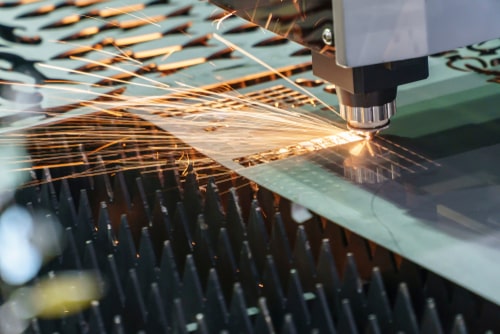
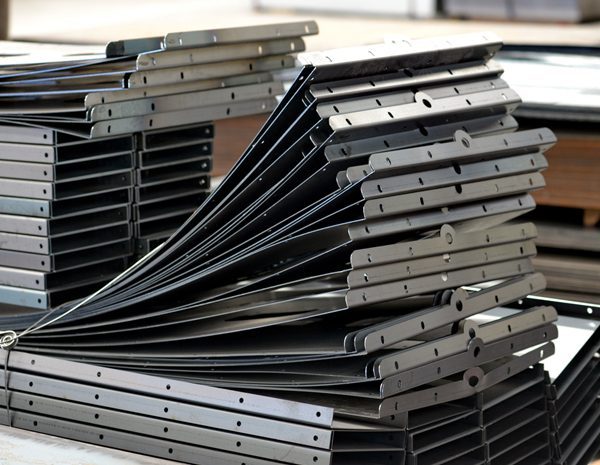
CAD and CAM technology has revolutionised product design and development around the world, and not just for metal fabricators either. All designers, inventors, innovators and machinists alike utilise this technology to:
increase output
create prototypes
establish final goods
create vast production runs
But what is the difference between CAD and CAM? Do they work together? Continue reading to find out more about what both technologies are and the difference between CAD and CAM.
What is CAD?
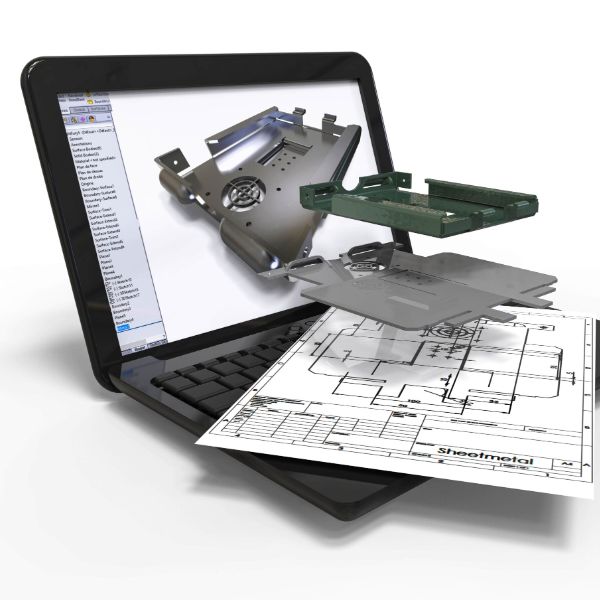
Before diving into the difference between CAD and CAM, let’s take a quick look into what these both are. CAD stands for Computer Aided Design. Essentially, this involves the use of computers to create 2D technical drawings and 3D models, for the design of physical products. This allows engineers and designers to create and modify model designs quickly and with an extremely high degree of accuracy. In comparison, manually drafting 2D and 3D models can be time consuming and has more opportunity for error.
The other huge benefit provided by CAD design services is the ability to modify a design as and when required, with no extra cost. Experimenting with ideas, real world simulations and different specifications has never been easier, and doesn’t involve having to manually re-build prototypes. Simply modify your design using the computer software, quickly and efficiently, with no risk of it being lost or damaged (as with physical prototypes). You can even share your saved files with your team or subcontractors so everyone is in the loop.
What is CAM?
The main difference between CAD and CAM is that one is design, the other is manufacture. Yes, CAM stands for Computer-Aided Manufacturing. Your CAD 3D model design is turned into a physical product or prototype by the use of software-controlled and automated machine tools. Essentially, CAM converts your CAD into reality. Without CAD, CAM has no purpose as there is no design to create.
CAM software is often used in conjunction with CNC machining. This stands for computer numerical control. It automates the translation of digital designs into detailed manufacturing instructions (often referred to as G-code).
So far we’ve covered the main difference between CAD and CAM – one is design and the other is manufacture. The latter cannot exist or perform without the former, so in essence, they are a unity and feed into each other. When this technology first launche,d it was not so much about the difference between them, but more about the difference in who operates them. Although both processes are computerised and automated to some degree, they both require human input.
A human must input the data and create the design to begin with, at the CAD stage. This was typically a skilled engineer with training in CAD programming software. The CAM side of things was usually handled by a skilled machinist. However, as time moves on and the majority of today’s training is conducted on computers, this difference is not as pronounced and the skillset crossover is more present. The expertise needed to run both CAD and CAM is now comparable. A lot of CAM machines even come with CAD programming already integrated.
This table shows some of the other subtle differences between CAD and CAM.
CAD
CAM
Definition
The use of computers to create, modify, analyse or optimise a design.
The use of computer software to control machinery and automate manufacturing processes.
Purpose
To produce accurate 2D drawings and 3D models of products or components.
To translate CAD designs into instructions for machines to manufacture physical parts.
Key tools required
A computer with CAD software.
A computer with CAM software.
Used by
Designers and engineers
Machinists and manufacturing technicians
Main advantage
Speeds up the design process and improves precision and design flexibility.
Automates production, reduces manual labour and improves manufacturing efficiency and consistency.
Typical outputs
Digital files including technical drawings and 3D models.
Machine instructions (G-code) for CNC machines and other manufacturing equipment.
Typical applications
3D modelling, technical drafting, assembly drawings, simulation and animation
CNC machining, laser cutting, wood turning and metal spinning,
End goal
To define the geometry and structure of a product.
To fabricate a physical version of the product from the digital design.
CAD and CAM: Better together
Although CAD and CAM are distinct tools, they work most effectively when used side by side. CAD software creates detailed digital models, which CAM software then uses to generate the G-code needed for manufacturing. This code turns virtual designs into real-world products.
Ideally, CAD and CAM systems integrate smoothly, with no data loss or compatibility issues. Using software that’s either designed to work together or already fully integrated can streamline production, reduce errors and boost efficiency from initial design through to final output.
Expert 2D and 3D CAD design services with Salamander
CAD design is a crucial early stage in almost every sheet metal project we deliver at Salamander Fabrications. It lays the groundwork for precise manufacturing and well-planned production. This is essential to producing high-quality and reliable components.
We use advanced 3D CAD software (SolidWorks) to bring designs to life, helping to identify potential issues early and ensure each part is fit for purpose. Our team of skilled CAD designers have the expertise to develop cost-effective solutions without compromising on quality, durability or appearance.
For more information or advice on your next project, please do not hesitate to contact us, email sales@salamanderfabs.com, or call 01484 843599.
Corrosion is the natural and gradual deterioration of materials, most commonly metals. This comes as a result of chemical reactions with the environment, for example with oxygen or water. But did you know that there are different types of corrosion? Yes, as one of the enemies of sheet metal fabricators across the land, corrosion has many different forms.
If left untreated, corrosion can:
Weaken structures and components
Reduce the lifespan of equipment
Lead to costly repairs or replacements
Pose safety risks in industrial or structural settings
To prevent this, it’s important to understand the different types of corrosion, so we’ve compiled a handy list of corrosion examples for you in this blog post. Carry on reading for more information on the 7 types of corrosion and some tips on how to avoid them.
Different types of corrosion example
1. Uniform Corrosion
Also known as general corrosion, this is the most common and widespread of corrosion examples. It occurs evenly across a metal surface, typically as a result of direct chemical exposure, such as contact with acids. The initial sign is usually a dulling of the metal, which can progress to a rough, frosted texture if left unchecked.
Although uniform corrosion affects appearance more than structural integrity, it’s still important to address as soon as you can, or as soon as you see it. Protective coatings or corrosion-resistant materials can help prevent it from developing.
2. Pitting Corrosion
This is a highly localised form of corrosion where small pits or cavities form on the surface of the metal. These pits can deepen very quickly, compromising structural integrity while leaving most of the surface seemingly intact. This can make spotting it a little harder, as it can come on subtly and out of sight initially.
Pitting is often caused by defects in coatings, inconsistent metal surfaces or damage to the protective oxide layer. It’s commonly seen in aluminium, stainless steel and nickel alloys. Early detection and proper surface finishing are key to prevention.
3. Galvanic Corrosion
Galvanic corrosion happens when two dissimilar metals come into electrical contact with each other. An electrolyte must also be present, such as saltwater. One metal (the anode) will then corrode quicker than it would alone, while the other (the cathode) is protected. This issue is a common one in marine environments or with chemical processing equipment.
4. Crevice Corrosion
Crevice corrosion develops in confined spaces where stagnant fluids can accumulate, such as between washers, flanges, or metal overlaps. Crevices often have limited oxygen flow, which creates acidic conditions that break down protective oxide layers. This is what leads to corrosion. Improved joint design and careful assembly practices can help minimise the risk of this often hard to detect corrosion type.
5. Fretting Corrosion
This is essentially caused by repeated small movements between two metal surfaces that are under load. This vibration wears away the protective oxide layer, exposing fresh metal that quickly oxidises. The resulting debris gets trapped in the contact area, accelerating both wear and corrosion.
Fretting corrosion examples typically occur in mechanical joints, bearings and bolted assemblies. You can help to prevent this with vibration damping, tighter tolerances and protective powder coatings.
6. Stress Corrosion Cracking (SCC)
This is a result of two factors combining – tensile stress and a corrosive environment. This often occurs at higher temperatures or as a result of expansion and contraction as a result of fluctuating temperatures. It may also be caused by residual stress from the manufacturing process, for example, welding, machining, or cold forming.
With stress corrosion, most of the surface area usually remains intact. But fine cracks do appear in the microstructure, which makes these types of corrosion hard to detect. Choosing appropriate materials for a given environment can help to avoid potential failures.
7. Intergranular Corrosion
This occurs along the grain boundaries of a metal. These boundaries, which separate individual grains within the metal’s crystalline structure, are often more chemically reactive than the grains themselves. This is due to impurities or uneven solidification during alloy formation. This form of corrosion typically happens when a material experiences high temperatures, such as during heat treatment or welding.
In these conditions, carbide precipitation can occur, which reduces the corrosion resistance at the grain boundaries. As a result, the metal becomes more vulnerable to corrosive agents, even if the grain interiors remain intact.
How to prevent corrosion
Here are some general tips you can follow to ensure you avoid the different types of corrosion.
Select corrosion-resistant metals: Materials like aluminium and stainless steel offer durability and are well-suited to various environments.
Apply laser treatments:Laser technology can alter surface structure to enhance corrosion resistance.
Use non-metallic coatings: Grease, plastics, carbon fibre, paint, and oil can act as effective barriers against moisture.
Opt for specialist coatings: Modern powder coatings provide durable, UV-resistant protection without fading, chalking, or the need for multiple layers.
Control moisture: Use drying agents in equipment and storage areas, and regularly check for signs of damp or leaks.
Maintain regularly: Inspect metal surfaces often and repair any damage to protective coatings as soon as possible.
Contact Salamander Fabrications for more information or support
If you would like more information on how to protect your metal projects from the different types of corrosion, please contact us, call us on 01484 843599 or send an email to sales@salamanderfabs.com.
We’re also happy to discuss any of our other services, including:
In the world of sheet metal fabricators, understanding the science behind what are mechanical properties is extremely important. Whether we’re forming, cutting, welding or shaping metal, we must have a deep knowledge of how different materials respond to force and stress. This is essential to ensure durability, performance and safety in the final product.
Selecting the appropriate material involves evaluating its mechanical properties. These are the characteristics that determine how a material reacts when subjected to mechanical loads. These properties help us predict how a component will perform under operational conditions. It also influences everything from cost and efficiency to lifespan and structural integrity.
Our handy guide will discuss:
what are mechanical properties
the key mechanical properties of some common metals and alloys
explain their relevance to a wide range of fabrication and engineering applications
Keep reading for more information!
What are mechanical properties?
Mechanical properties describe how a material responds when external forces are applied to it. This includes properties like tensile strength, elasticity, ductility and toughness (more of that to follow). Unlike physical properties (such as density or melting point) mechanical properties are about how a material performs under load, strain or deformation. Understanding these behaviours is fundamental when designing components expected to endure various stresses. This could be a support bracket within a structure, a sheet formed panel in an automotive application, or a precision cut component in electronics.
On the other hand, physical properties are not influenced by applied forces. This includes density, melting point, thermal conductivity and electrical resistivity. To put it simply, physical properties determine how a material interacts with its environment, while mechanical properties tell us how it will perform when under operational stress.
Key mechanical properties of metals
Here is a detailed overview of the primary mechanical properties relevant to sheet metal fabrication services and metalworking in general.
Hardness
Hardness is the resistance of a material to deformation, scratching or wear. It is also related to how well one metal can cut into another. Hardness is usually tested using Brinell, Rockwell or Vickers methods.
Toughness
Toughness is the ability of a material to absorb energy and resist fracture. It combines strength and ductility and is vital for parts exposed to impact or shock loads.
Elasticity
Highly elastic materials return to their original shape once the force is removed. Metals like steel are highly elastic as they return to their original dimensions after small deformations.
Plasticity
This is the ability of a material to undergo permanent deformation without breaking. It is a vital property for metal forming processes such as bending, forging or rolling.
Malleability
This property enables a material to be deformed under compressive forces into thin sheets. Aluminium and copper are both highly malleable materials.
Stiffness
Stiffness refers to a material’s resistance to elastic deformation under load. A stiffer material bends less under the same force. This is typically measured using the modulus of elasticity (Young’s Modulus).
Ductility
Ductility refers to a material’s capacity to be stretched into a wire or thin form without breaking. It is usually measured by the percentage elongation or reduction in area before fracture. Common ductile metals include copper, aluminium and mild steel.
Resilience
This is a measure of a material’s capacity to absorb energy within its elastic range. Resilient metals are often used for springs and components that experience frequent shock or vibration.
Strength
This is the ability of a material to withstand applied force without failure. This includes tensile strength, compressive strength, and shear strength.
Fatigue
Fatigue is the gradual weakening of a material due to repeated loading and unloading cycles, often leading to failure at stress levels well below the material’s tensile strength. It is a major consideration in rotating machinery and structural components.
Brittleness
Brittle materials fracture without significant deformation. Unlike ductile metals, they do not stretch or compress much before breaking. Cast iron is a classic example.
Machinability
Machinability refers to how easily a metal can be cut, shaped or finished. Metals like brass and aluminium are considered highly machinable, making them suitable for precision engineering.
Creep
Creep occurs when a material slowly deforms under constant stress at elevated temperatures. It is a crucial consideration in high temperature applications such as engines, turbines and boilers.
Applying mechanical properties in sheet metal fabrication
The relevance of these properties becomes clearer when choosing materials for specific fabrication tasks. By carefully selecting a material based on its mechanical properties, sheet metal fabricators can ensure performance, longevity and safety in the final product.
Materials exhibit a wide range of other properties in addition to mechanical properties. We’ve listed some of them below.
Thermal properties
Thermal performance is critical in applications that involve high or fluctuating temperatures. For example, in industries such as automotive, aerospace and construction.
Key thermal properties include:
Thermal conductivity: a measure of how effectively heat flows through the material.
Specific heat capacity: the amount of energy needed to raise the material’s temperature.
Boiling and melting points: essential for selecting materials that must endure extreme heat or undergo phase changes
Electrical properties
Electrical properties tell us how materials behave when exposed to electric fields. This includes whether a material conducts or insulates electricity and its ability to resist electrical breakdown. Another consideration is piezoelectricity, which is the capacity of certain materials to produce electric charge under mechanical stress. These properties are vital in electronics, sensors, circuit boards and control systems.
Optical properties
These define how a material interacts with light. It is especially relevant in display technologies, solar panels and lighting systems. Measurements include the amount of light that passes through the material, how light is bent or reflected, absorbance and colour.
Magnetic properties
Magnetic behaviour varies greatly between different metals and involves hysteresis and permeability, which relate to how materials retain and transmit magnetic energy. These are essential in the design of electric motors, transformers and magnetic shielding.
Chemical properties
Chemical reactivity and stability are vital for material selection in harsh or corrosive environments. Key attributes include corrosion resistance and reactivity, as well as pH behaviour and surface energy. This is really important for bonding, plating and coating applications.
Acoustic properties
In applications that require sound management, materials are assessed for sound absorption, reflection and transmission. The speed of sound through the material is also influenced by density and elasticity.
Manufacturing properties
This includes machinability, formability, castability and weldability. This all helps to determine how easily or efficiently a material can be shaped or joined. This often involves fatigue limits and elastic modulus, which affect how materials behave during and after fabrication.
Contact Salamander Fabrications today for your sheet metal fabrication needs!
Whether you need components for the transportation, energy, construction or manufacturing sectors, the right knowledge of material properties can mean the difference between a reliable part and a costly failure.
With over 50 years of industry expertise, Salamander Fabrications is a trusted name in UK based sheet metal solutions. From laser cutting and CNC folding to powder coating and assembly, we bring precision and quality to every project.
Our team is on hand to help you select the right material for your application, one that matches your needs in both mechanical performance and cost efficiency. Get in touch today for tailored advice, a quote, or to learn more about how we can support your project.
As experienced sheet metal fabricators, we know that the quality of a weld can make or break a finished product. Welding defects can compromise strength, appearance, and performance. In some cases, they can even lead to complete material failure. That’s why it’s essential to understand what these defects are, how they form, and how to prevent them.
In this guide, we’ll explore 14 common types of welding defects. We will outline their causes, how to avoid them, and the inspection methods used to identify issues before they become serious problems. Continue reading for more information.
What are welding defects?
Welding defects refer to any flaw that exceeds the acceptable tolerance within a welded joint. These imperfections may be visible on the surface or embedded within the weld itself.
They often result from:
incorrect technique
poor preparation
unsuitable materials
machine misconfiguration (including incorrect current, voltage, or travel speed)
Defects can either be external (visible to the naked eye) or internal (detected only through testing). In some cases welds can be repaired, but in others the fault requires complete removal and re-welding.
Welding defects VS Weld discontinuity
These are essentially the same thing, but one is a more extreme and unacceptable version of the other. Let us explain! A weld discontinuity is any interruption or irregularity in the physical structure of the weld or base metal. It refers to something that is not the ideal or intended weld but doesn’t necessarily mean the weld is faulty.
A weld discontinuity may or may not affect performance, is not always considered a defect and could be caused by process variations, material inconsistencies, or environmental factors. It’s also acceptable if within the limits defined by welding codes or standards (e.g. ISO, BS EN, or AWS).
A welding defect on the other hand is a type of discontinuity that fails to meet that specified acceptance criteria. It can compromise structural integrity, safety and performance of the weld. Welding defects are considered unacceptable and typically require repair or rejection of the weld.
Common welding defects and how to prevent them
Welding Defect
Causes
Prevention
How to Repair
Cracks
Cracks develop due to extreme stress concentration in the weld area, often resulting from incorrect welding techniques, improper filler material selection, or rapid heating and cooling cycles. They may also form due to residual stresses left from the welding process.
Use proper joint design, preheat thicker materials, and select suitable filler materials. Control the heat input and cooling rates carefully to minimise stress accumulation.
Carbon arc gouging or mechanical removal. This can be done with an angle grinder.
Porosity
Porosity is typically caused by contamination in the weld zone (such as oil, rust, or moisture) and insufficient shielding gas. These factors trap gas bubbles in the weld metal, leading to small holes.
Clean the workpiece thoroughly before welding. Ensure the shielding gas flow is appropriate and that the gas is free of contamination. Use electrodes compatible with the base material.
Remove with an angle grinder. It is advisable to use a non-sparking disc in explosive environments.
Undercut
Undercuts are caused when excessive current melts the edges of the joint, but insufficient filler material is deposited, leading to a groove along the weld toe. Poor electrode angles and high travel speeds can also contribute.
Adjust welding parameters to reduce current. Use correct electrode angle and ensure filler metal is sufficient. Maintain consistent travel speed and arc length.
Remove the weld seam with a grinding wheel and then start over.
Overlap
Overlap occurs when molten metal flows beyond the weld toe without bonding to the base material. This usually results from excessive weld metal deposition or incorrect travel angles.
Control the deposition of filler material, reduce current if necessary, and refine technique to maintain a steady hand and proper angle. Ensure fusion is achieved without excess metal.
Inconsistencies can be grinded down and re-welded if there is no below-surface damage. A re-weld must be performed if the inconsistency is deeper.
Burn Through
Burn through happens when too much heat is applied to thin base materials, causing a hole to form in the weld area. It is particularly common when welding without appropriate control of current and travel speed.
Lower the welding current and reduce travel speed when working with thin metals. Maintain an appropriate root gap and ensure the root face is not excessively narrow.
Cut off the section and re-weld. If this is not possible, you can add filler materials or molten metal. The reinforced surface must be grinded smooth.
Spatter
Spatter is formed when small droplets of molten metal are ejected from the weld pool due to excessive arc length, improper polarity settings, or incorrect shielding gas selection.
Set the arc length to an optimal value and choose the correct polarity. Reduce current to limit metal ejection and use proper shielding gas for your material.
An angle grinder can be used with a single-sided milling disc.
Underfill
Underfill arises when not enough weld metal is deposited, leaving the joint with a recessed finish. This can occur from low heat input, high travel speed, or insufficient filler material.
Use appropriate welding current and travel speed to ensure full joint fill. Select the right electrode size and ensure consistent technique in multi-pass welds.
Build up the weld with additional passes until the joint is flush with the base material.
Excess Reinforcement
Excess reinforcement is caused when too much filler metal is applied to the joint, creating a weld with a raised profile. This can cause stress concentrations and potential cracking under load.
Control the amount of filler metal used and ensure even distribution. Monitor the gap between materials and weld at a consistent speed to avoid excessive buildup.
Grind down the excess weld metal carefully until flush, ensuring not to damage the base metal.
Mechanical Damage
Mechanical damage results from physical mishandling of the material before, during, or after welding. This can include indentations from tools or accidental impacts, and improper arc initiation.
Follow correct handling procedures for tools and materials. Begin each weld with proper arc initiation technique to avoid accidental marking or damage.
Remove surface damage with light grinding or filing. For deeper indentations, grind out and reweld the affected area.
Distortion
Distortion is a result of uneven heating and cooling during the welding process, especially in thin materials. Excessive weld passes or lack of heat control can warp the welded component.
Use clamps or fixtures to hold components steady. Limit heat input, especially in thinner metals, and use a balanced welding pattern to minimise distortion.
Apply heat straightening techniques or mechanical straightening methods, depending on the extent. In some cases, cutting and rewelding may be required.
Misalignment
Misalignment occurs when the parts to be joined are not properly fixed or aligned before welding. It is common in pipe or structural welding.
Secure the joint properly before welding and double check alignment. Use slower, controlled welding techniques to maintain joint integrity.
If detected early, stop welding and realign the joint. Otherwise, cut the joint apart and reweld with proper alignment.
Craters
Often caused by abrupt termination of the welding process and/or sudden changes of heat on the base material. Improper filling of the crater and incorrect torch angle can also cause crater cracks.
Ensure proper filling of the crater and use a suitable torch angle. Make sure you gradually reduce the welding current before terminating the arc.
Use a grinder or carbon arc gouging tool to completely remove the crack from the weld area. Clean and then re-weld the area, creating a proper crater fill.
Slag Inclusion
Slag inclusion is introduced when slag from flux is not properly cleaned between welding passes. Improper torch angle and travel speed can trap slag inside the weld, weakening its integrity.
Thoroughly clean slag between each pass, increase current for better fusion, and adjust torch angle to avoid slag entrapment. Maintain consistent speed and layer thickness.
Can be removed with manual or power tools.
Incomplete Fusion
Incomplete fusion happens when the base and filler metals do not fully melt together. This is due to insufficient heat input, poor technique, or incorrect joint preparation.
Ensure sufficient heat input to achieve complete melting. Use correct angles and bead placement and lower deposition rates if necessary to ensure proper bonding.
Remove the bad weld and reweld.
Incomplete Penetration
Incomplete penetration refers to the weld failing to reach the full depth of the joint. It is usually due to inadequate heat, wrong electrode size, or improper joint design.
Increase welding current and select the correct electrode size for the joint thickness. Use suitable techniques to reach full depth penetration and avoid gaps.
Use an angle grinder to open the groove and reveal the filler metal to be removed.
How to detect welding defects
Non-Destructive Testing (NDT)
This helps to identify flaws without damaging the weld, making them ideal for batch testing and quality assurance.
Common methods include:
Visual inspection
Liquid penetrant testing
Magnetic particle testing can be used to detect defects too small for visual inspection
Ultrasonic testing that uses high frequency sound waves to check the interior and exterior of welded metals.
Radiographic inspection that uses x-rays to inspect the interior of welds.
Destructive Testing
This is used to push materials to failure for detailed analysis. It helps validate weld performance under stress.
These may include:
Bend tests
Tensile strength testing
Nick break tests
Acid etching
Different welding methods and techniques
Now we understand a little bit more about welding defects let’s take a look at some of the different welding techniques used to join materials together.
Spot welding
Also known as resistance welding, this method is ideal for stainless steel and similar sheet metals. It uses heat generated by electrical resistance to bond materials without filler. It is one of the most common welding methods for many metal materials.
Metal Inert Gas (MIG) welding suits thicker materials. A continuous wire feed acts as both filler and electrode.
Benefits include:
Fast weld times (especially in comparison to TIG welding)
Low post-weld clean up required
Low production costs
TIG welding
Tungsten Inert Gas (TIG) welding offers precision and is ideal for thinner sections.
It uses a non-consumable tungsten electrode and a filler is optional.
Benefits include:
High-quality, strong and clean welds
Better control compared to MIG welding
High precision for fine detail work
Robotic MIG welding
This is also known as gas metal arc welding (GMAW). This semi-automated process ensures precision and consistency, especially in high volume production. It involves using a robotic welding system rather than a human to carry out the MIG process.
Benefits include:
Improved safety for the welder
Consistently high quality results
Lower long term costs
Professional welding services at Salamander Fabrications
Here at Salamander Fabrications we are extremely proud to boast a team of specialised welders, along with extensive industry knowledge, which means we are one of the UK’s most trusted providers of welding services. We have completed thousands of projects over the last 50+ years and we are already looking forward to helping you with yours.
Salamander fabrications welding specifications
EN 15614-1: Specification and qualification of welding procedures for metallic materials. Part 1: Arc and gas welding of steels and arc welding of nickel and nickel alloys.
EN 15614-2: Specification and qualification of welding procedures for metallic materials. Part 2: Arc welding of aluminium and its alloys.
EN 9606-1: Qualification testing of welders. Fusion welding – steels.
EN 9606-2: Qualification test of welders. Fusion welding – aluminium and aluminium alloys.
Contact Salamander Fabrications for more information
If you would like some more information on our welding services, or any of our other services, please feel free to contact us. The team here at Salamander Fabrications are more than happy to talk through the services we have to offer, including our:
Can you paint over powder coating? It’s a question you may be forgiven for thinking is rather random and irrelevant for sheet metal fabricators. On the contrary, this is a question we are asked quite often, and with good reason. Powder coating is an extremely important part of many of our metal fabrication processes. Knowing how to apply it, take care of it, and potentially update or replace it later down the line is important to maintaining the lasting integrity of your product.
So, before we answer whether you can you paint over powder coating, let’s quickly highlight what powder coating is.
What is powder coating?
Metal fabrications are typically tough and highly resistant to wear. This makes them ideal for demanding applications and environments. However, metals like steel that are prone to rust and corrosion can deteriorate more quickly if exposed to harsh weather or moisture. And we get plenty of that in the UK!
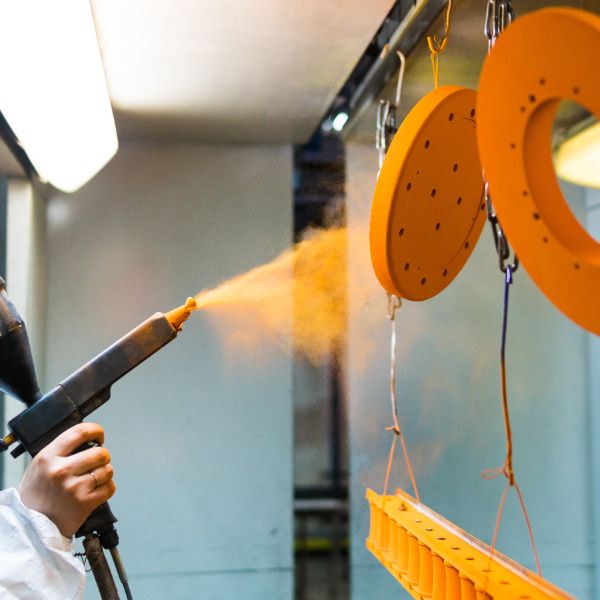
In these cases, powder coating becomes a crucial part of the fabrication process. It is applied electrostatically and cured under heat, which forms a strong finish that adheres very tightly to the metal. It offers a protective barrier that extends the lifespan of the finished product. Even for metals that are less reactive, powder coating adds a resilient layer that helps guard against water, chemicals and UV damage.
Can you paint over powder coating?
Okay, but can you paint over powder coating? Technically yes, but with specialist preparation and materials. Otherwise, you may struggle getting your paint to bond or stick. This is because the methods used to apply the coating (as mentioned above) make it hard to paint over with standard paints and what you could consider the typical painting process.
Success rests in surface preparation, as well as the right choice of primer and paint. Oil based and acrylic paints may work just fine but we would generally recommend using epoxy based paints for the best quality results.
Steps to paint powder coated metal
Before you get started, you will need:
Masking tape
Fine grit sandpaper
Degreasing solution
Suitable primer
Chosen paint
Paintbrush
Protective gear (overalls, gloves, face mask)
Clean and prepare the surface
Good preparation makes all the difference when painting over powder coated finishes. Begin by thoroughly cleaning the surface to eliminate any dirt, oil or grime that could interfere with paint adhesion. Use a strong degreaser to break down any residue, then rinse the area well and allow it to dry fully before moving on.
Next, use fine sandpaper (180–220 grit) to lightly roughen the surface. The aim here is not to remove the powder coating but to give it a slightly textured finish that helps the primer stick. Avoid heavy sanding, just enough to dull the gloss. After sanding is done, you can use a solvent cleaner to remove any dust and debris.
Apply the primer
Priming is a crucial stage when painting powder coated metal. You’ll need a specialist primer designed to adhere to slick or non-porous surfaces. This forms a strong base for the top layer of paint. Apply the primer evenly and allow it to dry for at least an hour, or according to the product’s instructions.
Choose and apply the right paint
Once primed and dry, you’re ready to apply your chosen topcoat. Select a paint that suits the environment. For example, there are weather-resistant options for outdoor use. Apply two even coats, letting each coat dry thoroughly before applying the next. For best results, follow the drying times recommended by the paint manufacturer.
Other ways to prevent rust and corrosion on metal
Pick rust resistant metals: Choose stainless steel, aluminium or titanium.
Maintenance: Regular cleaning removes corrosive salts, acids and pollutants. It also identifies potential repairs too.
Environmental control: For valuable metalwork (like classic cars or art), use dehumidifiers, climate control, or silica gel packs to minimise moisture exposure.
Laser treatment: Advanced laser technology can create a non-crystalline surface, increasing resistance to corrosion.
Use drying agents: Keep equipment and storage areas free from dampness.
Powder coating services from Salamander Fabrications
Here at Salamander Fabrications, we have a wide variety of paints, finishes and colours available for you to choose from. We utilise GEMA equipment for our powder coating process, which can be carried out manually or with a reciprocating gun/automatic reciprocating gun. We can also utilise a protective two coat system with primer and finishing. Our facilities enable us to accommodate parts up to 3000mm long, 1000mm wide and 1400mm deep.
Contact Salamander Fabrications for more information
We hope we have helped answer the question – can you paint over powder coating? If you would like some more information on our powder coating capabilities or any of our other services, please feel free to contact us any time. The team here at Salamander Fabrications are more than happy to talk through the services we have to offer, including our:
Are you curious about what metals don’t rust? Whether you’re a DIY enthusiast, engineer, or architect, rust resistance is a hot topic in the world of metalwork. Especially in Britain’s famously unpredictable weather! Knowing which metals can stand up to rain, salt, and the test of time is key to building long-lasting, low-maintenance structures, gadgets, and artworks.
We’ve been working in the world of sheet metal fabricators for over 50 years now, so we know a thing or two about metal! From gleaming stainless steel to lightweight aluminium, the world offers a host of metals that shrug off rust and corrosion, each with unique advantages. In this guide, we’ll explain the difference between rust and corrosion, explore why certain metals hold up better than others, and showcase the top 10 rust-proof metals.
What causes metal to rust?
Rust is a specific form of corrosion and is a form of iron oxide. It is the enemy of iron and its alloys, like steel. The science is simple – when iron meets oxygen and moisture, a chemical reaction forms iron oxide, better known as rust. This familiar orange, brown layer is more than unsightly, it also expands as it forms. This puts stress on metal structures, making them brittle and exposing them to the risk of failure.
What makes rust especially challenging in the UK is our climate. We have plenty of rain, high humidity, and coastal salt, all of which accelerate rust formation. And if sulphur dioxide or carbon dioxide are present (in city air or industrial settings) the process is even quicker.
Rust is also permeable. That means even once the surface has rusted, water and air can keep seeping in, allowing the corrosion to fester deeper into the metal. For engineers, homeowners, and fabricators, preventing rust is all about careful material choice and protection.
The difference between rust and corrosion
Although the terms are sometimes used interchangeably, there’s a crucial distinction between rust and corrosion. Corrosion is the broad term for the gradual destruction of metals due to chemical reactions. Any metal can corrode, though some do so much more readily than others.
Rust, on the other hand, is specific to iron and iron-based alloys. This can weaken anything iron from old garden gates to the Cliff Bridge. Other metals, like aluminium or copper, may tarnish or form their own oxides, but these layers are usually much more stable and protective, rather than destructive.
Top 10 metals that don’t rust
So, what metals don’t rust? Below, we reveal the top ten, detailing why they resist rust, where they’re used, and their key properties.
Metal
Key Properties
Typical Applications
Melting Point (°C)
Chemical Makeup
Notable Features
Stainless Steel
Non-rusting, strong, durable, easy to clean
Cutlery, kitchenware, construction, medical tools
1375–1530
Fe, Cr, Ni, Mo
Forms a passive chromium oxide layer
Aluminium
Lightweight, forms protective oxide, non-magnetic
Aircraft, windows, cans, marine
660
Al
Forms tough oxide layer, low density
Copper
Excellent conductor
Roofing, pipes, coins, decorative
1085
Cu
Patina protects from deeper corrosion
Brass
Corrosion resistant, attractive, antimicrobial
Plumbing, musical instruments, door fittings
930–940
Cu, Zn
Won’t rust, resists tarnish
Bronze
Tough, corrosion resistant, historic value
Statues, bearings, ship propellers
950–1050
Cu, Sn
Forms protective oxide, marine grade
Galvanised Steel
Steel coated with zinc, cost effective
Fencing, buckets, roofs, car parts
(Steel core) 1370
Fe + Zn (coating)
Zinc barrier prevents rust
Titanium
Strong, light, highly corrosion resistant
Medical implants, aircraft, jewellery
1668
Ti
Forms stable oxide, biocompatible
Zinc
Sacrificial anode, protective coating
Galvanising, die-casting, batteries
420
Zn
Protects other metals, resists rust
Nickel
Corrosion resistant, hard, lustrous
Coinage, plating, batteries, alloys
1455
Ni
Resists rust, enhances alloys
Gold
Doesn’t tarnish or rust, soft, malleable
Jewellery, electronics, dentistry
1064
Au
Immune to corrosion, very rare
What makes these metals resistant to rust?
The main secret behind what metals don’t rust comes down to chemistry. Metals like stainless steel, aluminium, and titanium form a thin, invisible oxide layer that acts as a barrier. This protects the rest of the metal beneath from air and moisture.
For others, like copper and bronze, a natural patina forms on the surface. This is a green or brown coating that’s not only attractive, but also keeps out further corrosion. Meanwhile, metals like gold and platinum simply don’t react with air or water, making them impervious to rust.
Galvanised steel takes another route. By coating steel in zinc, it gets a protective shield. Even if scratched, the zinc corrodes first, sacrificing itself to protect the steel underneath. This process is known as ‘cathodic protection.’
When to choose rust resistant metals
The choice of what metals don’t rust should be guided by your project’s needs.
Outdoor structures: Opt for stainless steel, aluminium, or bronze for railings, sculptures, or signage.
Marine applications: Bronze and titanium excel in saltwater environments, while galvanised steel offers cost-effective protection for short-term uses.
Medical and food use: Stainless steel and titanium are biocompatible and easy to sterilise.
Aesthetic projects: Copper, brass, and bronze provide rich, lasting colours and patinas.
Electronics: Gold and nickel are invaluable for reliable, rust-free connections.
5 metals that are prone to rust or corrosion
Now we’ve highlighted our top 10 list for what metals don’t rust, let’s take a quick look at some that are on the opposite side of the scale.
Iron: Pure iron rusts very quickly when exposed to air and water, forming iron oxide (rust). This is commonly found in structural beams, old pipes, and cast iron items.
Carbon steel: An alloy of iron and carbon with little or no protective alloying elements. This is widely used in construction and manufacturing, but will rust rapidly if not coated or protected.
Cast iron: Another iron and carbon alloy, even more brittle than steel, and highly susceptible to rusting if left unprotected. Used for manhole covers, old cookware, and some pipes.
Low alloy steel: This steel has only minor additions of other elements like manganese or nickel. This offers little corrosion resistance compared to stainless steel. This can be found in bridges, frames, and machinery parts.
Wrought iron: Malleable iron with a very low carbon content, historically used for gates and fences. Although it has some natural corrosion resistance compared to pure iron, it still rusts easily if exposed to the elements.
How to prevent rust
Pick rust resistant metals: Opt for stainless steel, aluminium, titanium, and other metals from our top 10 list, especially for outdoor or marine applications.
Apply protective coatings: Paint, powder coating, oil, or specialised sealants can prevent moisture from reaching metal surfaces.
Use galvanised or plated finishes: Galvanising coats steel in zinc, while other metals can be nickel or chrome plated for extra protection.
Keep metals clean and dry: Regular cleaning removes corrosive salts, acids, and pollutants.
Consider cathodic protection: Especially in marine or underground settings, sacrificial anodes made from zinc or magnesium help protect key metalwork.
Environmental control: For valuable metalwork (like classic cars or art), use dehumidifiers, climate control, or silica gel packs to minimise moisture exposure.
How to prevent corrosion
Choose corrosion free metals: Aluminium and stainless steel are both versatile and eco-friendly choices for a range of environments.
Laser treatment:Advanced laser technology can create a non-crystalline surface, increasing resistance to corrosion.
Specialist anti-corrosion coatings: Modern products provide strong, UV-resistant layers that don’t chalk, fade, or require multiple coats.
Use drying agents: Keep equipment and storage areas free from dampness and check regularly for leaks.
Regular maintenance: Inspect and maintain all metal items, addressing any damage to coatings immediately.
Contact Salamander Fabrications for your metal protection needs today!
If you would like any more information on how to ensure your metal projects are protected from the elements, please give us a call on 01484 843599 or send an email to sales@salamanderfabs.com.
We’re also happy to talk you through any of our services, including our:
What is a pure metal in comparison to an alloy metal? Also, ever wondered what the full list of pure metals actually is? You’ve come to the right place for the answer! We like to think of ourselves as more than just a sheet metal company, with over 50 years of industry experience, we believe we know everything there is to know about metal!
So we’ve brought you this handy guide to discuss what a pure metal is, the difference between pure and alloy metals, and a table of pure metals with their associated features and properties. Keep reading for more information.
What is a pure metal and where does it come from?
So, what is a pure metal in everyday terms? In short, a pure metal is an element that can’t be broken down into anything simpler by chemical means. It consists of only one type of atom. They are also known as single-phase metals. Gold, silver, copper, and iron are all examples of pure metals in their natural, unalloyed state. These metals form the backbone of modern civilisation and are found in almost everything, from electronics to cutlery, cars, and coins.
In contrast, alloys like steel, brass, and bronze are born from mixing pure metals together. A dash of non-metallic elements, like carbon, is also often introduced to boost performance in specific applications. But it’s the pure metals themselves that offer the original, distinctive set of characteristics. This includes electrical conductivity, corrosion resistance, and ductility.
The origins of pure metals
Most pure metals aren’t just lying around waiting to be picked up. They are typically locked away inside rocks as ores. Through mining, crushing, and various extraction processes (like smelting or electrolysis), these ores are transformed into the metallic materials we use today.
Major mining operations around the globe dig for metals like iron, copper, aluminium, and nickel to supply the raw materials that keep the modern world turning. Some, like gold and platinum, are far rarer, which makes them precious and often pricey. Estimations of the gold content of the Earth’s crust are in the range of 0.001 to 0.006 parts per million.
What is a pure metal VS an alloy metal?
While pure metals are made up of one element, alloys are blends of two or more elements. These are often designed to make the metal harder, stronger, or more resistant to corrosion and wear. For example, copper and tin create bronze; iron and carbon make steel; and gold and silver produce the luxurious white gold.
Most metal items around us these days are actually alloys. Yet, the unique qualities of pure metals remain in high demand for critical applications.
If you have liked reading this blog so far you should take a look at this one next – What is the Strongest Metal?
Full list of pure metals
To answer the question, what is the full list of pure metals? – Here’s a comprehensive table featuring the most significant pure metals, their properties, real world uses, and where they are primarily found around the world.
So now we’ve discussed what is a pure metal and highlighted the full list of pure metals, let’s take a look at some of their collective unique qualities. Pure metals display a fascinating array of properties that set them apart from their alloyed counterparts.
Here are a few highlights:
Conductivity: Silver and copper are world beating conductors, making them essential for most electrical applications.
Corrosion resistance: Gold, platinum, and titanium hardly ever tarnish or rust. This makes them ideal for jewellery, dentistry, and chemical equipment.
Strength to weight ratio: Aluminium and titanium are both very strong and incredibly light, revolutionising both the transport and aerospace industries.
Rarity and value: Gold, platinum and their associated group of metals are highly prized, not just for beauty and rarity, but their use in cutting edge technology.
Key Applications
Electronics: Copper, silver, and gold wires power circuits and connections.
Transport: Aluminium and titanium make trains, planes, and cars lighter and stronger.
Construction: Iron and steel (mainly alloyed, but pure iron is the starting point) are used for beams and girders.
Jewellery: Gold, platinum, silver, and palladium create stunning keepsakes.
Healthcare: Titanium, platinum, and silver are used in implants, medical instruments, and antimicrobial coatings.
Batteries: Lithium, cobalt, and nickel power everything from electric vehicles to mobile phones.
Contact Salamander Fabrications today for your sheet metal fabrication needs!
What is a pure metal without metal fabrication services? A blank canvas for the team here at Salamander Fabrications to work their magic on! In truth and despite their unique qualities, pure metals are rarely used alone for most practical purposes these days. They are either too soft or brittle, too expensive, or outperformed by alloyed alternatives. Most of the metals we work on are from the alloy family of metals.
Whether you’re searching for more info on what is a pure metal, exploring the full list of pure metals, or considering a custom fabrication project, Salamander Fabrications can help. With over 50 years’ experience in the industry, we offer a full suite of services, including:
For any queries or bespoke requirements, get in touch via our contact page, call us on 01484 843599, or email sales@salamanderfabs.com. Our expert team are always happy to share their knowledge and help you select the right metal for your project.
If you’d like some more information similar to this you can have a read of our other associated blog – Where Does Metal Come From?
Welcome to our definitive guide on how to cut aluminium, brought to you by the team here at Salamander Fabrications. We’re here to help with your project in any way that we can, whether you need a sheet metal contractor to help facilitate your project, or just some tips and advice on how to cut aluminium sheet.
Aluminium’s lightweight strength, corrosion resistance, and versatility make it an extremely popular material. It is used in everything from garden furniture to commercial vehicles and architectural features. But its unique combination of properties also means that knowing how to cut aluminium accurately and efficiently is essential, whether you’re a DIY hobbyist, tradesperson, or working on an industrial scale.
In this comprehensive guide, we’ll discuss the best ways to cut aluminium sheet, the specialist tools and techniques available, and the fabrication processes that ensure your finished product looks and performs as it should.
Techniques for how to cut aluminium sheets
Aluminium sheets are available in a huge range of thicknesses, from ultra-thin foil to sturdy multi-millimetre plates. When it comes to the methods of how to cut aluminium sheet, the one you choose will depend on several factors. This includes the thickness and type of aluminium, the level of accuracy needed, and the tools you have at your disposal.
Picking the right technique not only ensures a neat, clean cut but also minimises material waste and reduces the risk of unwanted damage. This is especially crucial for parts that need to look sharp or fit together precisely.
Below, we’ll break down the most effective methods for cutting aluminium sheet, along with expert tips to help you achieve the best possible finish every time.
Laser cutting
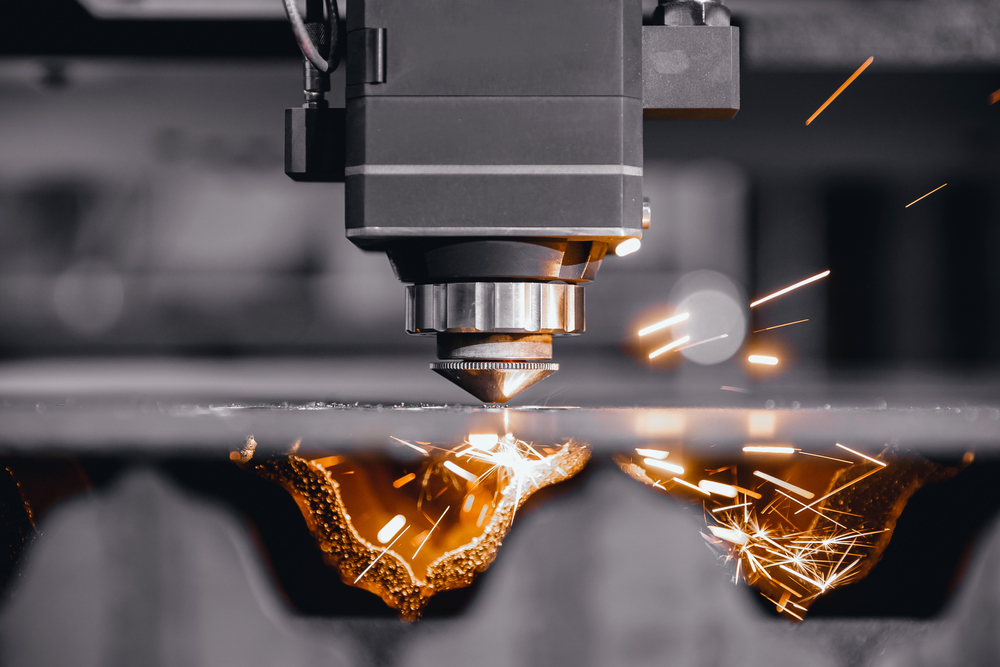
Laser cutting services have revolutionised the metal fabrication industry, offering incredible precision and control that simply cannot be matched by manual tools. This method uses a focused laser beam to heat and melt through aluminium sheets along a pre-programmed path.
Advantages:
Exceptional accuracy for intricate shapes
Minimal material distortion and clean, burr-free edges
Suitable for large scale or repetitive projects
Considerations:
Requires specialist machinery and proper ventilation
Best suited to lightweight metals and thin to moderately thick aluminium sheets
Ideal for:
Architectural features
Bespoke signage
Detailed brackets
Any project where tight tolerances or a smooth finish are required
Plasma cutting
Plasma cutting is another powerhouse of metal fabrication, ideal for tackling thicker sections of aluminium or making complex shapes where brute force and flexibility are needed. It works by blasting ionised gas (plasma) at extreme temperatures through a small nozzle, effectively slicing through metal.
Advantages:
Powerful enough for thick aluminium plates
Fast, with impressive edge quality for most uses
Great for irregular or freeform shapes
Considerations:
Leaves a slightly wider cut width compared to laser cutting
May require additional edge finishing
Ideal for:
Industrial fabrication
Automotive repairs
Structural frameworks
Any job involving substantial aluminium profiles
Waterjet cutting
Waterjet cutting harnesses the raw force of high pressure water mixed with abrasive particles to slice through aluminium. This technique is prized for its ability to handle both very thin foils and extremely thick plates, all while keeping the metal cool.
Advantages:
No heat distortion or structural weakening
Ultra-precision makes it suitable for intricate designs or small batch work
Cuts a wide range of thicknesses and alloys
Considerations:
Can be more expensive due to equipment and abrasive costs
Requires a skilled operator for the best results
Ideal for:
Aerospace components
Decorative screens
Complex assemblies where material integrity is critical
Hand tools
For smaller projects, prototypes, or onsite adjustments, hand tools remain an important part of learning how to cut aluminium sheet. They require minimal setup and can be surprisingly effective when used correctly.
Hacksaw: Best for straight cuts in thin aluminium sheets or bars
Tin snips: Best for cutting curves or intricate shapes in thin aluminium
Utility knife: Best for scoring and snapping very thin aluminium, especially for ductwork or foil
Power tools
When you need more muscle, power tools are the answer for efficient, repeatable cuts (especially in medium to thick aluminium sheets). You should always wear goggles, gloves, and a dust mask when cutting aluminium.
Circular Saw: Best for long, straight cuts in thicker aluminium sheet or plate
Jigsaw: Best for curved or intricate cuts in aluminium
Band Saw: Best for both straight and curved cuts, especially in thicker stock
Alternative sheet metal fabrication services
Here at Salamander Fabrications, we understand that there’s more to working with aluminium than just cutting. Sometimes, a project needs bending, welding, or other fabrication processes to bring your vision to life. Here’s a quick overview of other essential metalworking techniques.
Welding
Welding services are at the heart of most metal fabrication projects, especially for joining aluminium parts together. Whether you’re building frames, enclosures, or bespoke pieces, welding creates robust, long lasting joints.
Different types of welding:
MIG Welding: Great for thicker aluminium, providing fast, strong welds
Robotic MIG Welding: Delivers consistent quality and is ideal for high volume or repetitive work
TIG Welding: Perfect for thin sheet aluminium or work that demands a clean, attractive finish
Spot Welding: Used to join thin sheets without filler, common in automotive and appliance manufacturing
Sheet metal folding is vital for producing parts with bends or angles, and CNC-controlled folding machines ensure every bend is precise and repeatable.
Stand-out features:
Precision: Allows for exact bends and identical pieces that meet strict quality standards
Cost-effective: Lowers costs by reducing the need for welding or additional assembly
Coating and finishing
Aluminium’s natural oxide layer makes it resistant to corrosion, but the right finishing or powder coating process can enhance durability and appearance even further.
Popular finishing techniques:
Powder coating: Creates a tough, colourful finish that resists scratching and UV fading.
Electroplating: Adds a decorative or protective metal layer which is ideal for high wear or visible components.
Polishing and brushing: Delivers a high shine or a modern, textured look for decorative aluminium.
Choosing the best method for how to cut aluminium
Selecting the best method for how to cut aluminium depends on your tools, the thickness and alloy of the sheet, and the demands of your project. Hand tools are great for light work, while power tools and advanced machinery offer the accuracy and speed required for larger or more complex jobs.
Don’t forget to clean, deburr, and finish all cut edges for safety and appearance. If in doubt, consult a professional sheet metal contractor. Working with aluminium is as much about experience as it is about equipment.
Contact Salamander Fabrications for more information on our laser cutter – our method for how to cut aluminium
If you would like some more information on our laser cutting capabilities or any of our other sheet metal fabrication services, please feel free to contact us any time. The team here at Salamander Fabrications are more than happy to talk through the services we have to offer and share our expertise.
Wondering how to engrave metal? Want to know if there is a single technique that works for everything, or do different methods suit different projects? If you’re looking for guidance on the full range of options and want to understand the strengths and uses of each, you’ve landed in the perfect spot. Here at Salamander Fabrications, the home of expert metal fabrication services, we specialise in all things sheet metal – a common material used for engraving.
In this guide, we’ll break down the five main ways of how to engrave metal, covering both timeless hand skills and the latest machinery. We’ll explore what makes each method unique, the tools you’ll need, best practices, and what types of jobs each approach is suitable for.
1. Engraving metal by hand
Let’s start with the old faithful and the most traditional method of how to engrave metal. The classic image of an artisan at a workbench springs to mind. Hand engraving has centuries of tradition behind it and is still favoured for intricate jewellery, ceremonial objects, and one off pieces where artistry is prized over speed.
This method is best for softer metals like silver, gold, copper, and brass. It is a time consuming process that demands patience and practice. For batch production or very hard metals, other methods may be preferable. The tools you’ll need include gravers (burins), a ball vice, and sharpening stones.
Hand to engrave metal by hand
Sketch or print your design, then transfer it onto the metal surface (using paper, acetone, or a vinyl sticker).
Secure the metal piece in a ball vice to hold it steady.
Select the right graver for your design and sharpen if necessary.
Hold the graver at a roughly 45-degree angle to the metal.
Push or glide the graver along the design, using consistent, controlled pressure to etch lines.
Rotate the metal as needed for curves and intricate patterns.
Brush away any debris and clean the surface after engraving.
Apply a protective coating or lacquer if desired, especially for metals that tarnish.
Why choose hand engraving?
Personal touch: Every mark is unique, resulting in truly individual pieces.
Perfect for: Bespoke jewellery, commemorative items, fine art, and restoration work.
2. Laser engraving
Laser engraving is now one of the most popular ways to engrave metal in the UK and worldwide. Fast, precise, and repeatable – much like our laser cutting services – it’s the go to choice for modern industrial applications.
For this, you will of course need a laser engraving machine (fibre or diode lasers are common for metal). This method is suitable for most metals, including stainless steel, aluminium, copper, and more. The initial setup cost of running your own laser machine can be high, but running costs are generally quite low. It’s a lot more cost-effective to use a professional service that can handle your project from design through to the final product.
Laser engraving can also be utilised alongside CAD design services to help make designs better and more effective. It allows you to accurately set out what you wish to design and then implement it with high precision and speed. For more information on this, you can check out our other blog – What Are The Advantages of CAD?
How to engrave metal with lasers
Prepare and set up your laser engraving machine according to manufacturer’s guidelines.
Choose your metal blank and position it securely in the engraver.
Load your digital design into the engraving software.
Adjust laser power, speed, and other settings to suit your metal type.
Begin engraving, following all safety precautions (eye protection, ventilation, safety screens).
Allow the machine to complete the engraving, then remove and inspect your piece.
Why choose laser engraving?
Speed and repeatability: Excellent for mass production and high detail work.
For DIY enthusiasts or workshops that need versatility, rotary engraving with an electric tool (like a Dremel) is a practical option. This method combines the control of hand engraving with the efficiency of power tools. This method works well on most common metals, but harder metals may require specialist tool bits.
For this method, you will need your rotary tool, a range of engraving bits, clamps or a vice. Be mindful, though, the rotary tool technique is less precise than laser or CNC engraving for very fine work. You should also always wear eye protection and secure your workpiece to prevent accidents. Fine metal dust can also be produced, so consider respiratory protection or a dust extraction system too.
How to engrave metal with a rotary power tool
Clean your metal item thoroughly with alcohol.
Mark out your design using a vinyl sticker, transferred print, or permanent marker.
Clamp the metal securely in place.
Insert the appropriate engraving bit into your rotary tool (diamond bits are ideal for metal).
Set the tool to a lower speed, increasing as needed for your metal type.
Carefully follow your design, engraving lines with steady pressure
Repeat for deeper marks if desired.
Switch off the tool and brush away any metal filings or dust.
Polish or clean the area to finish.
Why choose rotary engraving?
Versatility: Suitable for a wide range of projects and can be done at home.
Perfect for: Custom tools, trophies, signs, hobbyist crafts, and repairs.
4. CNC engraving
Computer Numerical Control (CNC) engraving brings automation to the process, using computer-guided tools to cut complex or repetitive designs with minimal manual effort. It uses the same CNC technology we use for our Press Brakes and Metal Folding Services.
This technique is ideal for metals such as aluminium, brass, copper, stainless steel, and many others. The tools you will need include a CNC engraving machine, various cutting bits, and the required computer software. You may also use a nylon flap or soft brush to remove burrs and sharp edges and achieve a smooth, professional finish.
This method requires investment in equipment and software, as well as programming knowledge, unless you have a professional team handle your project for you.
How to engrave metal with a CNC machine
Securely fasten your metal workpiece onto the CNC machine bed.
Choose the appropriate bit (diamond cutter, twist drill, or v-bit).
Import your design into the CNC software and set your engraving parameters (depth, speed, etc.).
Start the engraving operation and monitor progress.
Once finished, use a nylon flap or brush to clean off any burrs or debris.
Apply a polish or lacquer for extra shine and protection, if needed.
Why choose CNC engraving?
Automation: Excellent for high volume production or detailed, repeatable designs.
Perfect for: Industrial parts, machine plates, serial numbers, and complex artwork.
5. Chemical etching
The last one on our list is not technically engraving but the process is very similar and used to achieve the same results. Chemical etching is a powerful and flexible technique widely used in industry for precise, intricate designs that might be too delicate or complex for mechanical engraving. It’s used for items like circuit boards, nameplates, and fine art.
For this technique, you will need metal blanks, photoresist or acid resistant mask, etching solution (usually acid or ferric chloride), a design stencil, and protective equipment. This requires careful handling of chemicals, proper ventilation, and safety precautions. You must also always dispose of used chemicals responsibly according to local environmental regulations.
The chemical etching process
First, a design is applied to the metal using a photoresist film or acid-resistant mask—this can be as simple as hand-drawn patterns or as sophisticated as photographic transfers. The metal is then immersed in an etching solution, which eats away the exposed areas while the masked sections remain untouched. The duration of etching determines the depth of the design. Once etched, the mask is removed, and the piece is thoroughly cleaned and neutralised.
Why choose chemical etching?
Intricate detail: Can achieve extremely fine and crisp designs, even on thin metals.
If you’re considering a metal engraving project, looking for advice on how to engrave metal, or need expert help with laser cutting and fabrication, Salamander Fabrications has decades of experience and the right tools for the job.
Our advanced facilities, skilled workforce, and commitment to quality mean every project gets the attention to detail it deserves. We’re always happy to discuss your ideas and recommend the best approach for your idea, no matter how big or small.
Give us a call if you think we can help you on 01484 843599 or send an email to sales@salamanderfabs.com.
Metals are known for their ability to conduct heat and electricity. They’re also extremely ductile, versatile, and machinable. For these reasons and many more, metal is part of our everyday lives and is pretty much everywhere. You’re probably within inches of something metal reading this blog right now. But, have you ever wondered, exactly where does metal come from?
Here at Salamander Fabrications, we are specialists in sheet metal fabrication services, so it’s safe to say we know a thing or two about the material. If you’d like to know more about what metal is made of and how metal is made, continue reading…
So…where does metal come from?
Every single metal that exists on Earth today originated billions of years ago, way before we did. The first humans to discover metal stumbled upon copper, tin, and gold by hammering into rocks. Over time we have learned how to mix metals with other metals, and other substances, to create new metals that we now refer to as alloys. This is primarily done to improve strength amongst other characteristics.
For example, if you combine copper with tin, then you create bronze. Or if you mix iron and a little bit of carbon, you get steel, and so on and so forth. Most natural metals come from the earth’s crust, found in ores. An ore is a solid material that minerals can be extracted from. To extract the metal ores from the ground, huge mining operations are used across the world.
Our planet approximately consists of:
30% iron
14% magnesium
1.5% nickel
1.4% aluminium
This makes up almost half of the Earth – meaning we are almost 50% metal! Precious metals like gold, silver, or platinum exist in very, very small amounts. Estimations of the gold content of the earth’s crust are in the range of 0.001 to 0.006 parts per million. Extremely low in comparison to iron and magnesium.
Where are metals found?
As mentioned in the previous section, the vast majority of metals on Earth are mined from the Earth’s core and crust. This means the metals you see all around you may have come from all different corners of the world. Australia and Brazil are some of the highest exporters and miners of metal, but there are many other countries that contribute to global production too.
This table provides a detailed look at where major metals are mined, their contributions to global supply, and their key applications.
Metal
Primary mining locations
Percentage of global production (approx.)
Typical applications
Notable properties
Aluminium
Australia, China, Guinea, Brazil, India
Australia (28%), China (23%)
Aerospace, packaging, construction, transport
Lightweight, corrosion resistant
Iron
Australia, Brazil, China, India, Russia
Australia (37%), Brazil (17%)
Steel production, construction, tools
Strong, abundant, magnetic
Copper
Chile, Peru, China, USA, DR Congo
Chile (27%), Peru (10%)
Electrical wiring, plumbing, coins
Conductive, malleable, antimicrobial
Gold
China, Australia, Russia, USA, Canada
China (10%), Australia (9%)
Jewellery, electronics, investment
Highly malleable, corrosion resistant
Silver
Mexico, China, Peru, Russia, Poland
Mexico (22%), China (16%)
Jewellery, electronics, medicine
Conductive, antibacterial, reflective
Platinum
South Africa, Russia, Zimbabwe, Canada
South Africa (70%)
Catalysts, jewellery, electronics
Dense, corrosion resistant, valuable
Palladium
Russia, South Africa, Canada, USA
Russia (40%), South Africa (36%)
Catalytic converters, electronics
Corrosion resistant, high melting point
Nickel
Indonesia, Philippines, Russia, Canada
Indonesia (37%), Philippines (14%)
Stainless steel, batteries, coins
Corrosion resistant, magnetic
Cobalt
DR Congo, Russia, Australia, Canada
DR Congo (70%)
Batteries, superalloys, magnets
High temperature strength, wear resistant
Zinc
China, Peru, Australia, USA, India
China (34%), Peru (11%)
Galvanisation, brass, batteries
Anti-corrosive, easily alloyed
Lead
China, Australia, USA, Peru, Mexico
China (40%), Australia (10%)
Batteries, radiation shielding, ammunition
Heavy, dense, malleable
Tin
China, Indonesia, Myanmar, Peru, Brazil
China (35%), Indonesia (20%)
Soldering, tin plating, bronze
Corrosion resistant, low melting point
Titanium
China, Japan, Russia, Kazakhstan, Ukraine
China (45%), Japan (17%)
Aerospace, medical implants, pigments
Lightweight, strong, corrosion resistant
Tungsten
China, Russia, Vietnam, Bolivia, Austria
China (80%)
Cutting tools, filaments, aerospace
Highest melting point, dense
Chromium
South Africa, Kazakhstan, India, Turkey
South Africa (40%), Kazakhstan (18%)
Stainless steel, plating, refractories
Corrosion resistant, hard
Lithium
Australia, Chile, China, Argentina
Australia (52%), Chile (26%)
Batteries, glass, medicine
Lightweight, highly reactive
Molybdenum
China, USA, Chile, Peru, Mexico
China (40%), USA (24%)
Steel alloys, catalysts, electronics
High melting point, heat resistant
Magnesium
China, Russia, USA, Turkey, Brazil
China (87%)
Alloys, aerospace, medicine
Lightweight, strong, flammable
Uranium
Kazakhstan, Canada, Australia, Namibia
Kazakhstan (42%), Canada (12%)
Nuclear power, medical isotopes
Radioactive, energy dense
Vanadium
China, Russia, South Africa, Brazil
China (60%), Russia (17%)
Steel alloys, batteries, tools
Strength enhancing, corrosion resistant
What is metal made of?
Natural metals are mined and extracted, refined, and then smelted – so in essence they already exist and are not ‘made of’ anything. They are pure metals. In relation to metal alloys – these are a combination of two or more metals or other materials.
Almost all metal elements can be alloyed into different types. Different types of metal alloys are made of different things. Each one offers its own unique physical beneficial features and characteristics.
This table shows a variety of metal alloys, their compositions, key applications, and important properties.
Wear resistant, corrosion resistant, retains strength at high temperatures
Duralumin
Aluminium + Copper + Magnesium + Manganese
Aircraft structures, bike frames
Lightweight, strong, good fatigue resistance
Magnalium
Aluminium + Magnesium
Aerospace, scientific instruments, fireworks
Lightweight, corrosion resistant, strong
Cupronickel
Copper + Nickel
Marine applications, coins, ship hulls
Corrosion resistant, antimicrobial, good conductivity
Pewter
Tin + Copper + Antimony
Decorative items, tableware, sculptures
Low melting point, corrosion resistant, soft
Solder
Tin + Lead (or Silver, Copper)
Electronics, plumbing
Low melting point, good electrical conductivity
Babbitt Metal
Tin + Copper + Antimony
Bearings, machinery, engines
Low friction, wear resistant
Hastelloy
Nickel + Molybdenum + Chromium
Chemical processing, marine applications
Highly corrosion resistant, strong
Elinvar
Iron + Nickel + Chromium
Precision instruments, watch springs
Low thermal expansion, maintains shape under temperature changes
Check out our other blog – Examples of Ferrous and Non-Ferrous Metals to find out more about the difference between the two. This includes a deep dive into ferrous and non-ferrous metals, including their features and properties in comparison to each other.
How is metal made?
To answer this question, let’s take a look at the process of metal manufacturing at a basic level. The steps include:
Extract the raw ore from the Earth’s crust
Remove any non-metal material, such as rock and debris
Crush the ore into a fine powder
Heat the resulting powder to a high temperature
Rinse with cold water or a chemical bath
Filter the sludge
Separate the solid from the liquid
Apply an electrical current to break chemical bonds
Let’s take a look at the finer details of how some common metals are made.
Aluminium: The most common ore used for aluminium production is bauxite. This is crushed and then electrolysis is used to split it into aluminium and oxygen. The pure metal is cast into blocks known as ingots. To find out more about aluminium, check out our guide on the top ten uses of aluminium.
Zinc: Zinc extraction commonly involves a method called froth flotation, which is also used for refining copper and lead. The zinc ore is ground into a fine powder and mixed with water, pine oil, and flotation agents. This mixture is stirred, causing the zinc particles to rise to the surface, where they are collected and further refined.
Lead: Lead ore is typically found deep underground and contains a significant amount of sulphur. The ore is first crushed and mixed with water, where it undergoes flotation to separate it from unwanted materials. However, additional refining is required – heating the lead further helps remove excess sulphur and other impurities.
Copper: Copper ores generally contain only a small percentage of copper, often around 4%. The refining process gradually increases its purity. The ore is first broken down into tiny fragments and combined with water before being placed in large tanks, where air and chemical agents help separate copper particles from other minerals. The resulting material is then heated in a large furnace called a smelter. This process burns off additional impurities, leaving behind copper matte, a substance that is at least 50% pure copper.
Brass: Unlike natural metals, brass is an engineered alloy made primarily from copper and zinc. Since it is not extracted from an ore, it is produced by melting these two metals together in a furnace. The molten brass is then shaped into pipes, tubes, or sheets, depending on its intended use. Brass is classified as a type of copper alloy due to its high copper content.
Steel:Steel production begins with iron extraction, primarily from hematite and magnetite ores. These iron-rich minerals are found in rock formations and deposits, with hematite easily identified by its distinctive reddish colour. The method of extraction varies based on the depth and location of the iron ore, but once it is mined, the refining process begins. The first stage involves processing the ore in a blast furnace, where it is heated and purified to prepare it for steelmaking. For more information on steel you can check out our other blog – Mild Steel Vs Stainless Steel: What’s The Difference?
Where are metals found and expertly fabricated? Right here at Salamander Fabrications!
Where does metal come from before it enters our workshops? Well, we don’t always know the origin (in terms of the country) where the key elements were originally extracted. But what we do know is the quality of the metals that leave our workshop before they go on to fulfil their applications.
Whether you require laser cutting services, expert welding services or metal folding services, our expert team will use their decades of experience to ensure your exact needs are met. The team here at Salamander Fabrications is more than happy to share their expertise and talk to you more about some of the services we have to offer.
Visit our contact page or just give us a ring on 01484 843599. Or you can email us at sales@salamanderfabs.com.
We use cookies to ensure that we give you the best experience on our website. If you continue to use this site we will assume that you are happy with it.