
Welding Services at Salamander
With our expert welders and depth of industry-relevant knowledge, we’re one of the UK’s most trusted providers of welding services. We deliver a wide range of high-quality welding solutions to commercial clients nationwide.
At the forefront of welding and sheet metal fabrication, we’ve amassed a wealth of knowledge and more than 50 years of experience within the manufacturing industry.
We can handle a diverse range of projects and sheet metals, including steels, stainless steels, and aluminium, as well as numerous exotic materials. Specialising in end-to-end metal fabrication techniques, we’ll handle every stage of your welding project in-house for maximum efficiency and premium results.
The UK’s Go-To Choice for Expert Welding Services
Established in 1968, Salamander Fabrications found its home in the West Yorkshire market town of Huddersfield.
Since then, we have honed our expertise in welding & fabrications, enabling us to give our customers not only reliable services but also a range of products truly built to last.
Whatever your company’s welding project requirements, our expert welder professionals can create bespoke and complex welding projects with precision.
Why Clients Choose Salamander
Companies across the UK know that our remit covers many metal fabrication solutions. These include:
- 2D and 3D CAD design using the industry-leading SOLIDWORKS software
- Custom laser cutting for forming specific patterns and designs in materials
- Powder coating for providing metal with a custom, high-quality finish
- CNC press brakes and folding of 2D metal sheets into 3D structures
- Electromechanical assembly for various products and functions
Salamander Fabrications’ welding capabilities stretch far into numerous different sectors, including:
- Oil and gas industries
- Chemical sector
- Food industry
- Health industry
We work closely with all of our customers to provide them with confidence that our team is the best choice when it comes to the quality of service and the quality of work.
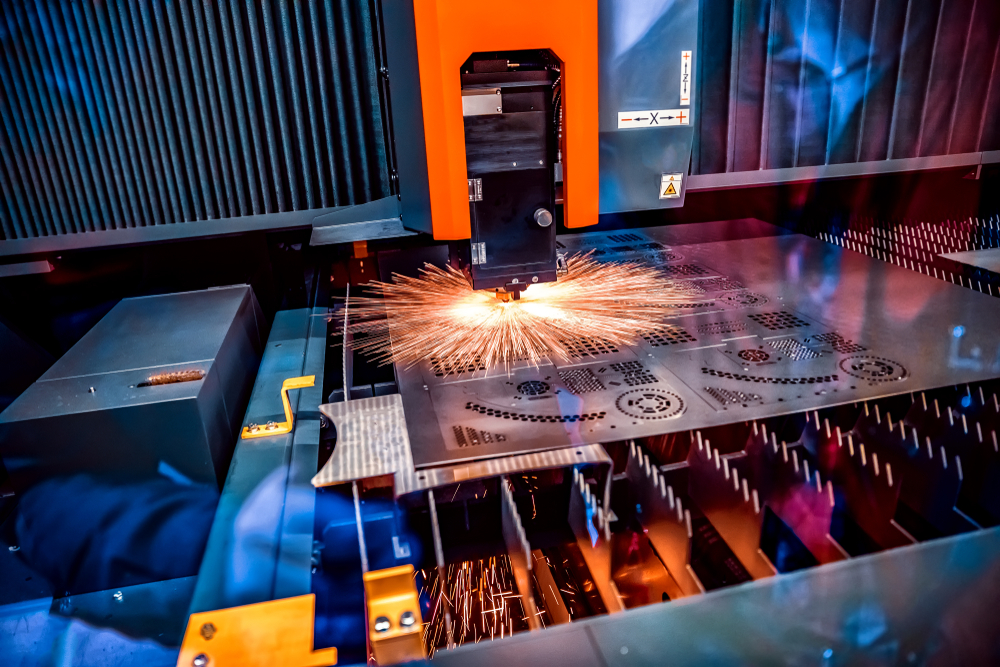
Welding Processes We Offer
Here at Salamander Fabrications, we specialise in welding a wide range of metals, including steels, aluminium, copper, and cast iron.
The materials we choose for your job will be determined by the chosen welding method and your product needs. Our bespoke welding services cover all of the techniques outlined below.
MIG Welding
MIG (metal inert gas) welding is a type of arc welding that tends to be reserved for use on large and thick materials.
MIG welding generates heat through an electrical current to melt materials in a way that will enable them to form a solid joint when cooled. At the melting stage, a consumable wire does double duty, acting as both the electrode and the filler. MIG welding allows for shorter lead times and low production costs, making it a brilliant cost-effective option for our clients.
TIG Welding
Though another take on arc welding, TIG (tungsten inert gas) welding is, compared to the MIG alternative, more suitable for use on small and thin materials.
TIG welding is a similar process to MIG welding. However, the TIG approach differs in using a non-consumable tungsten electrode, with the addition of a filler being optional. This process is ideal for projects with multiple materials and for construction processes thanks to the strong welds it produces.
Robotic MIG Welding
Otherwise known as gas metal arc welding (GMAW), this is basically where the MIG process is carried out by a robotic welding system. A filler wire is fed continuously to the robotic system, which features a high-heat electrified tip designed to melt the wire. For consistency and safety, MIG welding services are superior, and costs are kept low.
Spot Welding
This is one of the most traditional welding processes. Sometimes called resistance spot welding, it is mainly used for uniting multiple metal sheets. Copper alloy electrodes are brought into contact with the metal sheet surfaces, causing an electric current to pass through them and exert heat and pressure. Spot welding is brilliant for use across various industries and is fast and efficient for quick project turnarounds.
Superior Welding Quality Control
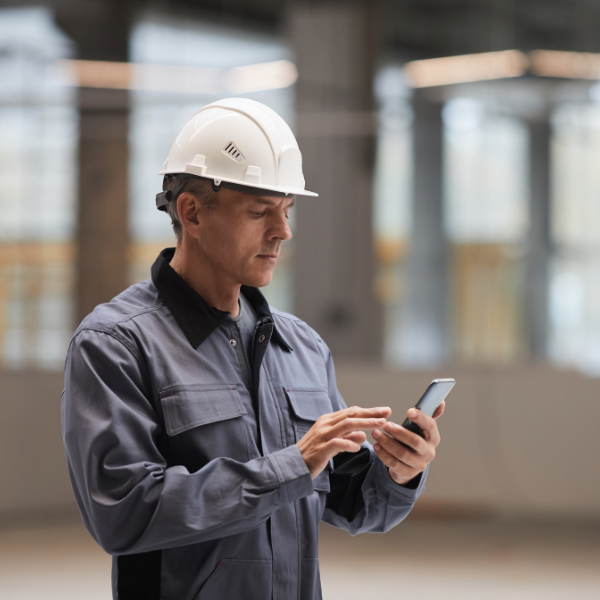
At Salamander Fabrications, our team consists of qualified, well-trained welders who have meticulously built up their expertise and use cutting-edge tools on every job.
Our welding capabilities are also coded in line with numerous standards and specifications.
Our Welding Specifications
- EN 15614-1: Specification and qualification of welding procedures for metallic materials. Part 1: Arc and gas welding of steels and arc welding of nickel and nickel alloys.
- EN 15614-2: Specification and qualification of welding procedures for metallic materials. Part 2: Arc welding of aluminium and its alloys.
- EN 9606-1: Qualification testing of welders. Fusion welding – steels.
- EN 9606-2: Qualification test of welders. Fusion welding – aluminium and aluminium alloys.
This quality-first approach is of paramount importance to our team, and we are always working to improve and expand our skills ahead of the industry curve.
High-Quality Welding in West Yorkshire and Beyond
If you’re looking for specialist welding services for your next project, we’re here to help. As a full-service sheet metal fabrication company, our team is committed to delivering exceptional quality and quick turnarounds to match your deadlines.
Learn more about Salamander and the work we do, or check out some of our recent projects for a glimpse of our welding services in action.
Ready to start your next project? Get in touch with our friendly sales team on 01484 843599 or at sales@salamanderfabs.com.
FAQs: Our Welding Services Explained
We know that you might have a few questions about our specialist welding services. Here, we aim to provide you with valuable insights, practical tips, and expert advice on what your options are.
What Materials Can Be Welded?
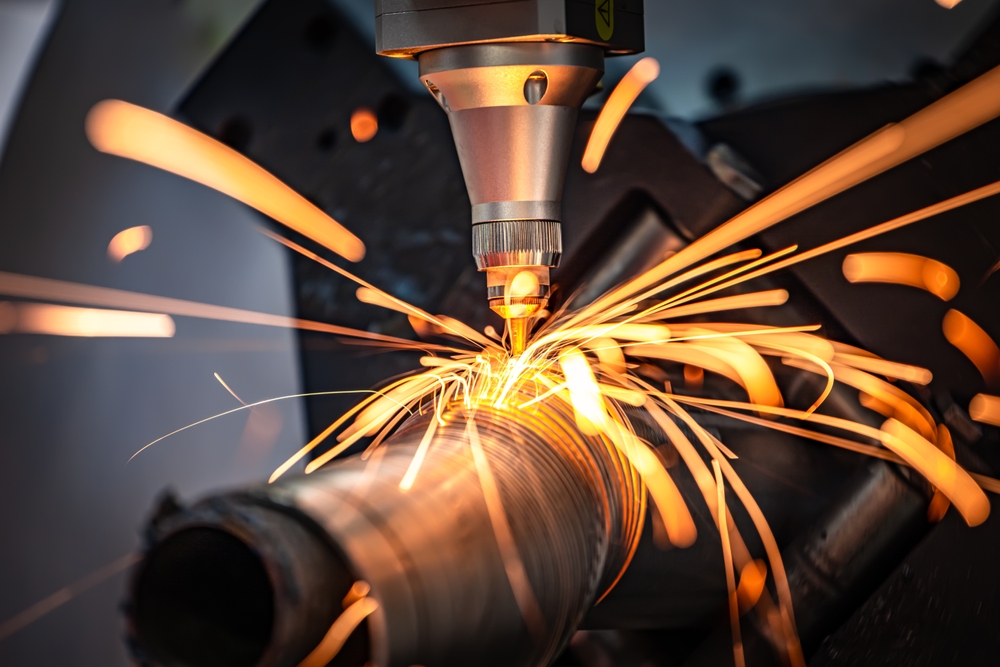
Exactly how we weld a material depends very much on what type of material it is. Here are selected examples of materials often chosen for welding:
- Aluminium: Though typically used for TIG welding, aluminium is more malleable than other metals, making it a viable choice for MIG welding, too.
- Cast iron: The exceptional durability of cast iron lends it well to use in making items required to meet high levels of resilience.
- Copper: In a welding context, this material is impressive on multiple counts – including thermal and electrical conductivity and corrosion resistance.
- Stainless steel: When you need an especially corrosion-resistant alloy, combining stainless steel with other metals can do the trick.
- Low-carbon steel: Here, the low amount of carbon makes the already welding-appropriate material of steel even more versatile.
At Salamander Fabrications, we specialise in working with metals. Our understanding of how various metals differ in their qualities is one major reason why we are able to create a wide range of custom metal structures for our customers.
What Is the Purpose of Shielding Gas?
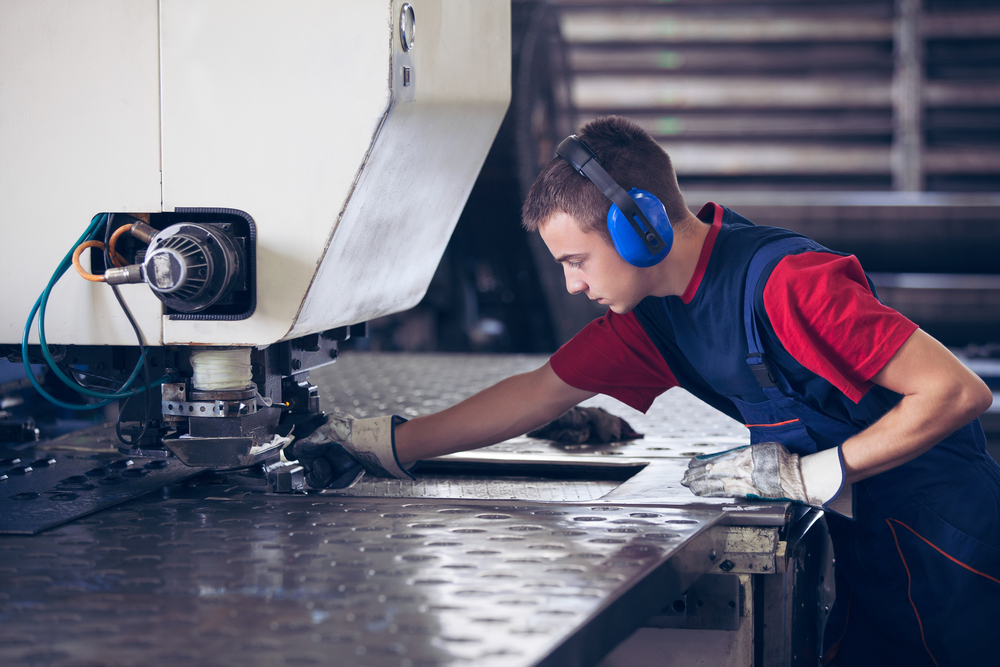
Our expert welders’ use of shielding gas plays a major part in their ability to continue undertaking welding work to their customary high standards.
This is because, as the molten weld solidifies, shielding gas can protect – i.e. ‘shield’ – it from oxygenation as well as air moisture and impurities. Otherwise, we would be risking making the weld porous or weakening its durability.
Depending on the welding method, we will use either an inert or active shielding gas. These options are so-called as only the active shielding gas affects the welding process itself, stabilising the arc while easing the material’s hold on the weld.
What Is the Difference between MIG and TIG Welding?
MIG and TIG welding can sometimes be confused with each other, as they both constitute forms of arc welding. This arc welding uses a power supply to create an electric arc between the electrode and the base metal.
With MIG welding, the electrode’s role is taken by a consumable wire, which also serves as the filler material. In contrast, TIG welding relies on a non-consumable tungsten electrode – and the welder can choose to omit a filler.
Though MIG welding is quicker and less expensive than TIG welding, TIG typically results in stronger, cleaner, and more precise welds.
Generally, MIG welding ought to be reserved for large and thick materials, while TIG welding excels when it comes to small and thin materials.
How Does Welding Affect the Material Properties?
A welder can bring about changes to all the following properties of a metal when creating something new with it:
- Strength: In order for a metal to be welded, a certain amount of heat needs to be exerted on it. However, as excessive heat at this stage would risk destroying the base material’s chemistry, a careful balance is vital.
- Hardness: As strength and hardness tend to go hand in hand in metals, our welders are strategic with how they not only apply heat but also combine it with others to form alloys.
- Ductility: Here, too, temperature is key. Though a weld that cools off quickly can reduce ductility, applying heat that makes and keeps the material excessively hot can soften the weld zone.
- Corrosion resistance: This would be especially vulnerable if stainless steel is overheated when welded, as the alloy elements could come apart and cause carbide precipitation.
Latest News
The metal recycling process
Metal recycling is one of the most common and efficient recycling pro ...
Read More
The different types of welding joints
Welding joints are a crucial part of developing safe, secure structur ...
Read More
Hardness of Metals: How It’s Measured and Why It Matters
Metal hardness measures how well a metal can resist scratching, inden ...
Read More

