The metal recycling process
Metal recycling is one of the most common and efficient recycling processes and is used to generate new resources across a number of industries. Unlike many other materials, metal is not only widely recyclable but can be repeatedly recycled without damage to its structural makeup.
In this blog, we’ll dive into the metal recycling process, how it works and why it plays a crucial role in modern manufacturing and fabrication sectors.
Are you looking for sustainable sheet metal fabrication? Here at Salamander Fabrication, we help a wide range of sectors create products that minimise metal waste and limit carbon emissions.
What is metal recycling?
Metal recycling is the process of reforming old and existing metals into new products. Metals like steel, brass, aluminium and copper are recovered and sent to recycling plants where they are processed and reformed into reusable materials.
Metals are easy to recycle due to their durable structure and chemical composition. This means that metal is a fully renewable material and can be melted down and reformed into new forms without affecting the quality.
Why is metal recycling so important?
There are so many existing metal products, from household items to construction resources, that can be easily recycled. Producing raw metals uses immense amounts of energy and waste, and contributes to global warming and carbon emissions. Opting to recycle existing metals is not only an environmentally friendly alternative but also reduces costs for production companies.
Extracting and refining metals from ore uses a huge amount of energy, whilst recycling metals like aluminium uses only a fraction of the energy and produces significantly less water and air pollution.
The Net Zero pledge to be carbon neutral by 2050 means that it’s the responsibility of companies across the world and the UK to do all they can to reduce carbon emissions, and recycling is a big part of this process.
What types of metals are recycled?
There are several different metals that can be recycled, and these fall into two main groups:
Ferrous metals
Ferrous metals are metals that contain iron and are generally regarded as the strongest, most durable metals. These metals are widely used in construction and infrastructure due to their properties and include things like cast iron and steel.
Non-ferrous metals
Non-ferrous metals are metals that don’t contain any iron, like copper, aluminium and brass. These metals have their own beneficial properties, including corrosion resistance and being powerful conductors. This makes these metals ideal for components in electrical products.
Both of these types of metal can be recycled and reformed into new resources.
How are metals recycled? The process
Step 1: Collecting metals
Scrap metals can be collected from a range of different sources. This can be from sources like household recycling collections that include metal cans and tins, discarded electronics like home appliances or vehicles or surplus materials from manufacturing plants.
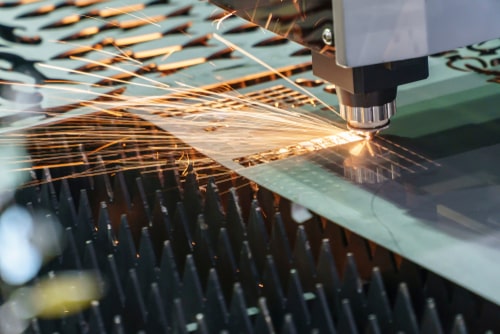
Sheet metal fabrication processes often produce scraps of off-cuts of metal, and this industry contributes significantly to the metal recycling process, offering the opportunity to turn unusable pieces into fresh products.
Step 2: Sorting and separating metals
Once the metals are sent to a recycling center they are sorted into ferrous and non-ferrous metals. This is done by computerised systems using magnets and optical sensors. Sorting the metals is crucial to ensure high-quality and pure metal recycled products.
Step 3: Shredding and cutting
Once the metals are sorted, they are then cut down or shredded into smaller pieces. This allows for easier cleaning and melting and can help remove any other materials like remaining plastic or rubber.
For bulkier items like machine parts or structural components, an industrial shredder is used.
Step 4: Treating and cleaning
Before being melted down, all contaminants need to be removed from the metals. This includes things like traces of food, oil, paint or plastic.
The cleaning process can differ depending on the metal and the treatment needed. To remove organic materials like oil or food, thermal or pressurised water treatment can be enough. To get rid of printed logos or paint coatings, machines or chemicals may be used to fully remove contaminants.
The quality of a recycled material relies heavily on ensuring pure, uncontaminated metals, so this cleaning stage is crucial.
Step 5: Melting and refining the metal
Once the metal is cleaned, it can then be melted down using an industrial furnace. Different metals have different melting points, so each furnace will be carefully controlled based on the specific metal being melted.
During the melting process, some raw metals may also be added to reinforce any recycled metal weakened by the refining process. The metal is poured into casts to form ingots or sheets.
How are recycled metals used?
Recycled metals are used across a wide range of industries and contribute to new parts for vehicles, building structures, appliances and food containers.
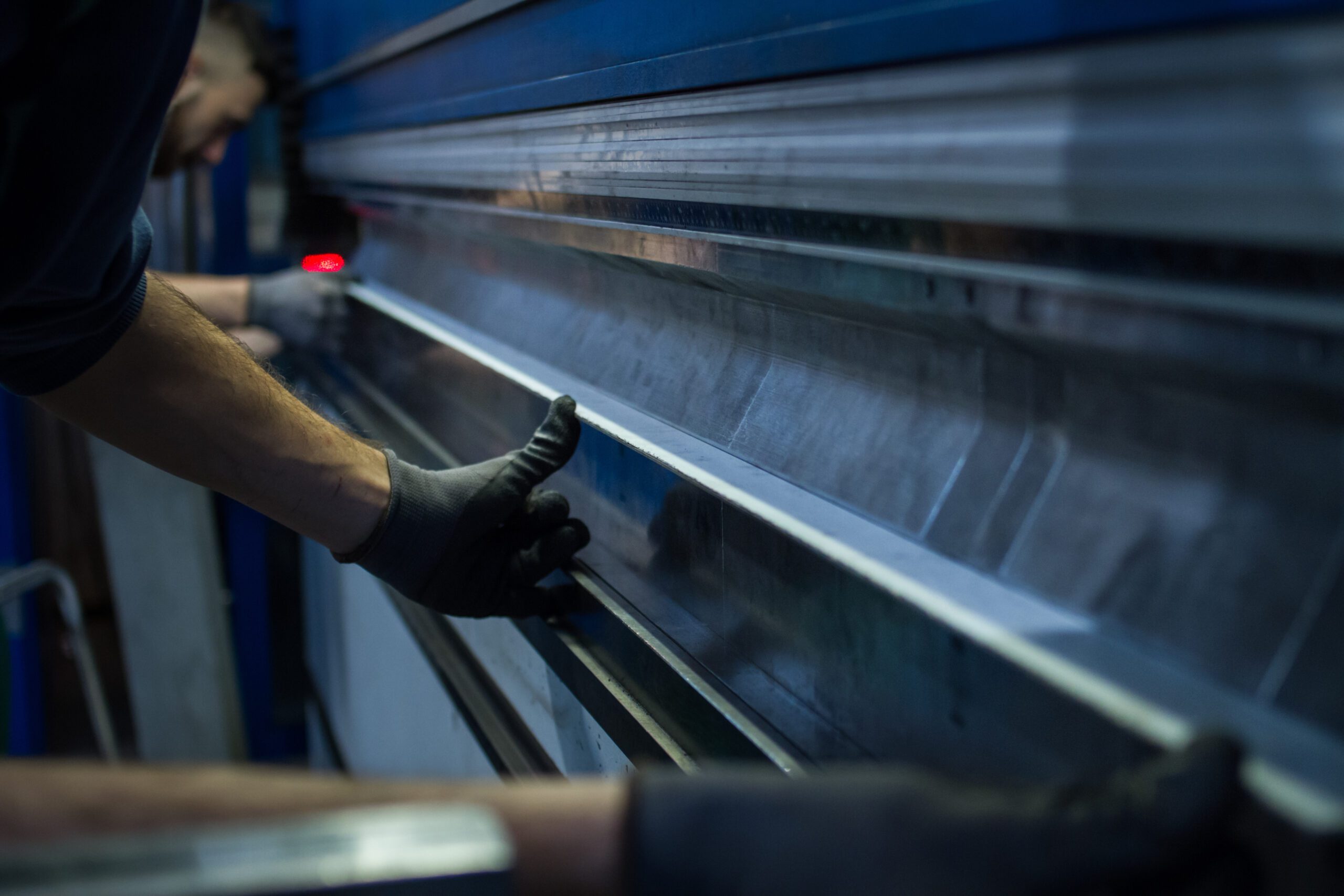
Once the recycled metals have been refined, they can also be used in the sheet metal fabrication process to create new products. For sheet metal fabrication, recycled sheets are a crucial component.
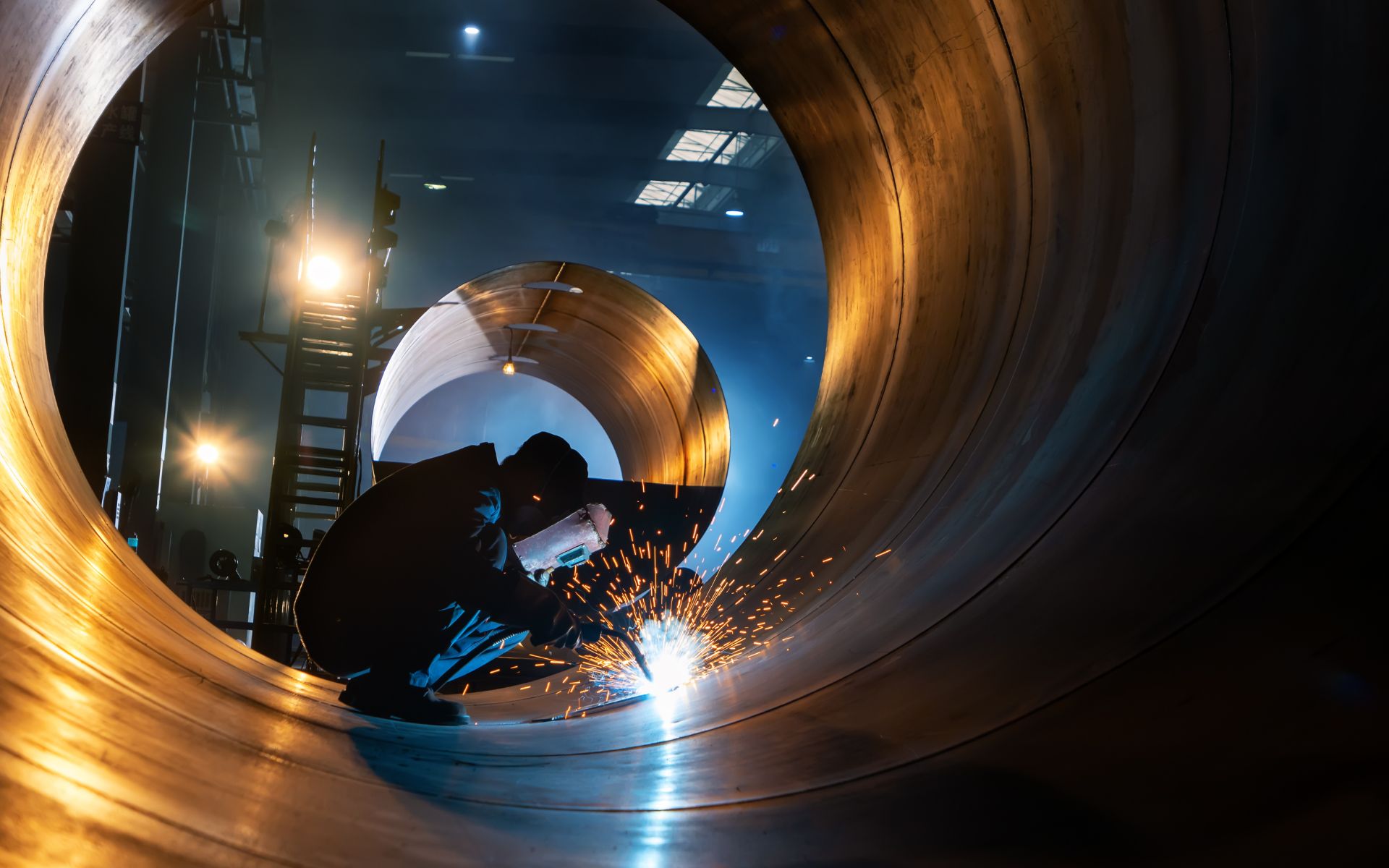
Recycled sheets offer manufacturers the opportunity to create brand new products at a fraction of the cost. These sheets are transformed using advanced processes like CAD design and welding, and expert engineers carefully plan assembly to minimise metal waste.
What makes recycling metal sustainable?
The reason that metal recycling is such a brilliant process is that it becomes a continuous, sustainable cycle. Metals can be repeatedly recycled without a reduction in the quality or integrity of the material. This has a range of benefits, including cost-effective materials for manufacturers, less waste from fabrication and reduced emissions and pollution.
The continuous cycle of metal recycling is crucial for modern manufacturing, and with the constraints on raw metal refining and environmental sanctions in play, this process is needed now more than ever.
Smart, sustainable fabrication for all businesses
The process of metal recycling may be lengthy, but it is a highly efficient process that has transformed the way we use resources. Each stage, from sorting to setting, is carefully designed to ensure metals are pure and can be reused in new products again and again.
If you’re looking to make the switch to more sustainable processes, we offer a wide range of services here at Salamander Fabrications. We specialise in sheet metal fabrication and cater to all industries from construction to retail. If you’re looking to invest in cost-effective, eco-friendly metal fabrication, get in touch with our team to discover how we can help transform your business.